Stainless Steel Tubing Manufacturers
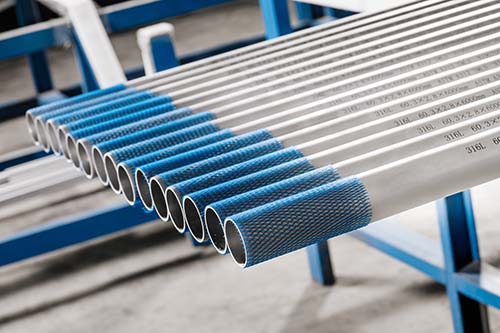
For marine projects, traceability is often the deciding product concern. A tube can have the correct outside diameter and polished surface, yet still create serious risk if its heat number, alloy chemistry, pressure-test record, or welding history cannot be verified.
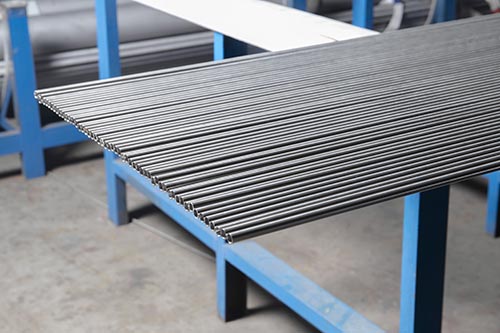
Marine operators use stainless tubing for seawater systems, hydraulic lines, instrument tubing, heat exchangers, exhaust-related systems, and process piping. These applications face chlorides, vibration, pressure cycling, temperature changes, and difficult repair conditions. The supplier must therefore control the product record from mill heat to final shipment.
Why Material Traceability Matters at Sea
A Material Test Certificate, often called an MTC or mill certificate, connects each delivered length to the original steel heat. This record normally identifies the grade, heat number, chemical analysis, mechanical test values, dimensions, inspection results, and applicable specification.
EN 10204 defines common inspection-document types. A Type 3.1 certificate is validated by the manufacturer's authorized inspection representative, independent of production. A Type 3.2 certificate requires additional validation by either the purchaser's authorized representative or an independent inspection body. The contract should state the required document type before manufacturing starts.
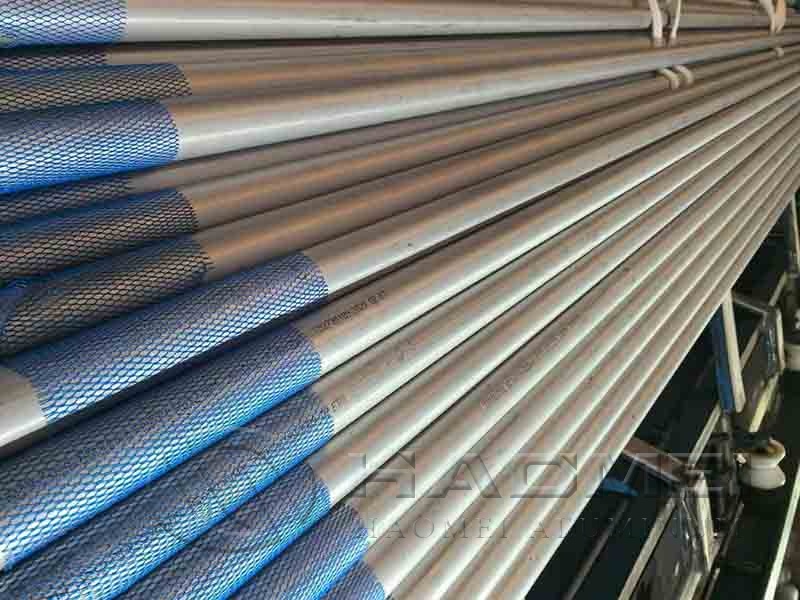
For marine stainless tubing, traceability should remain visible after cutting, beveling, pickling, packing, and shipment. Practical controls include:
| Control point | What should be verified | Marine relevance |
|---|---|---|
| Heat identification | Heat number marked on tube and certificate | Prevents mixed-grade installation |
| Chemistry | Cr, Ni, Mo, N, C, and other specified elements | Supports corrosion-resistance assessment |
| Mechanical properties | Tensile strength, yield strength, elongation, hardness where specified | Supports pressure and vibration design |
| NDT and pressure test | Eddy-current, hydrostatic, pneumatic, or other specified test records | Confirms production integrity |
| Dimensional inspection | OD, wall thickness, straightness, ovality, length | Supports fit-up and design pressure calculations |
| Traceability transfer | Cut-piece labeling and packing list correlation | Keeps records intact at fabrication yards |
Positive Material Identification can add useful verification. Portable X-ray fluorescence instruments can rapidly indicate alloying elements such as chromium, nickel, and molybdenum. However, XRF does not reliably measure carbon, and it does not replace the certified heat analysis or required mechanical tests. It is best used as a receiving inspection control alongside the MTC.
Match the Tube Standard and Alloy to Service
The word "tubing" does not automatically define material quality or pressure capability. Project documents should identify the material standard, grade, size range, wall tolerance, manufacturing route, end finish, test requirements, and certificate level.
ASTM A269 covers seamless and welded austenitic stainless steel tubing for general corrosive service and low- or high-temperature service. ASTM A312 covers seamless, welded, and heavily cold-worked austenitic stainless steel pipe intended for high-temperature and general corrosive service. ASTM A789 covers seamless and welded ferritic/austenitic stainless steel tubing for general corrosive service, including duplex grades.
Where a project specification combines US requirements, ASTM A789 A312 Steel Pipe can provide a relevant product basis, but the final acceptance criteria must follow the contract and approved drawings.
For European pressure applications, EN 10216-5 addresses seamless stainless steel tubes for pressure purposes, while EN 10217-7 addresses welded stainless steel tubes for pressure purposes. Design pressure is not established by a tube standard alone. It must be calculated under the selected piping code and project design conditions.
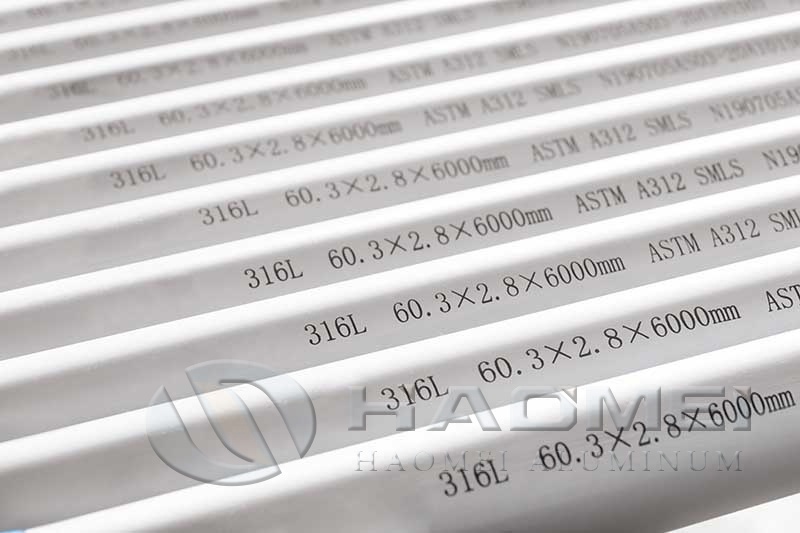
Grade selection needs equal care. Type 316L is widely specified because molybdenum improves pitting resistance compared with 304L. Its low carbon limit also supports weld-corrosion performance. Still, 316L is not automatically suitable for every stagnant, warm, or highly chlorinated seawater service. Crevice geometry, oxygen availability, chloride concentration, temperature, flow velocity, and deposit formation affect performance.
Duplex stainless grades, such as UNS S32205 or S31803 where specified, offer higher strength and generally improved chloride corrosion resistance compared with common austenitic grades. Their fabrication controls are more demanding. Heat input, shielding gas, filler-metal selection, weld cleaning, and post-weld corrosion performance must be managed carefully.
Manufacturing Checks for Seamless and Welded Tubes
Seamless tube is produced without a longitudinal weld. It is often selected for high-pressure, cyclic, or critical service where the specification requires it. Welded tube can provide consistent dimensions and is widely used when the approved standard, weld procedure, examination method, and operating conditions allow it. Neither route should be selected only by appearance.
A technically complete request should state whether seamless or welded construction is acceptable. It should also state the required weld condition, such as as-welded, cold-worked, solution annealed, or otherwise heat treated. For welded products, confirm the examination requirement. Depending on the applicable standard and order, this may involve eddy-current testing, ultrasonic testing, radiographic examination, or hydrostatic testing.
Surface condition has direct marine value. Fabrication and welding can leave heat tint, embedded iron contamination, and rough areas that initiate localized attack. Mechanical cleaning alone may not restore corrosion resistance. The approved procedure may require pickling and passivation, followed by thorough rinsing. The chemical process must suit the grade, environmental controls, and shipyard safety rules.
Classification requirements also need early confirmation. Vessel class, flag requirements, and project specifications may require inspection, approval, or documentation from organizations such as ABS, DNV, Lloyd's Register, or KR. An approval claim should be checked against the exact product, manufacturing location, scope, and certificate validity period. A general company approval does not automatically cover every tube size, grade, or production route.
Before release, the receiving team can use this focused acceptance record:
| Required record | Acceptance check |
|---|---|
| MTC | Certificate type, heat number, grade, chemistry, and test values match the order |
| Marking | Tube marking matches certificate and packing list |
| Dimensions | OD and wall thickness meet ordered tolerances |
| Manufacturing route | Seamless or welded route matches the approved specification |
| Inspection records | NDT and pressure-test reports match traceable production quantities |
| Surface and ends | Clean condition, protected ends, and corrosion-resistant packing suitable for transport |
A traceable tube package gives engineering, fabrication, and vessel operators a defensible record of what was installed. That record is especially valuable when systems are inspected, repaired, classed, or investigated years after delivery.
Original source: https://www.marinesteelpipe.com/a/stainless-steel-tubing-manufacturers.html
Prev: What Is SCH In Stainless Steel Pipe
Related Product
For marine projects, traceability is often the deciding product concern. A tube can have the correct outside diameter and polished surface, yet still create serious risk if its heat number, alloy chemistry, pressure-test record, or welding history cannot be verified.
Marine operators use stainless tubing for seawater systems, hydraulic lines, instrument tubing, heat exchangers, exhaust-related systems, and process piping. These applications face chlorides, vibration, pressure cycling, temperature changes, and difficult repair conditions. The supplier must therefore control the product record from mill heat to final shipment.
Why Material Traceability Matters at Sea
A Material Test Certificate, often called an MTC or mill certificate, connects each delivered length to the original steel heat. This record normally identifies the grade, heat number, chemical analysis, mechanical test values, dimensions, inspection results, and applicable specification.
EN 10204 defines common inspection-document types. A Type 3.1 certificate is validated by the manufacturer's authorized inspection representative, independent of production. A Type 3.2 certificate requires additional validation by either the purchaser's authorized representative or an independent inspection body. The contract should state the required document type before manufacturing starts.
For marine stainless tubing, traceability should remain visible after cutting, beveling, pickling, packing, and shipment. Practical controls include:
| Control point | What should be verified | Marine relevance |
|---|---|---|
| Heat identification | Heat number marked on tube and certificate | Prevents mixed-grade installation |
| Chemistry | Cr, Ni, Mo, N, C, and other specified elements | Supports corrosion-resistance assessment |
| Mechanical properties | Tensile strength, yield strength, elongation, hardness where specified | Supports pressure and vibration design |
| NDT and pressure test | Eddy-current, hydrostatic, pneumatic, or other specified test records | Confirms production integrity |
| Dimensional inspection | OD, wall thickness, straightness, ovality, length | Supports fit-up and design pressure calculations |
| Traceability transfer | Cut-piece labeling and packing list correlation | Keeps records intact at fabrication yards |
Positive Material Identification can add useful verification. Portable X-ray fluorescence instruments can rapidly indicate alloying elements such as chromium, nickel, and molybdenum. However, XRF does not reliably measure carbon, and it does not replace the certified heat analysis or required mechanical tests. It is best used as a receiving inspection control alongside the MTC.
Match the Tube Standard and Alloy to Service
The word "tubing" does not automatically define material quality or pressure capability. Project documents should identify the material standard, grade, size range, wall tolerance, manufacturing route, end finish, test requirements, and certificate level.
ASTM A269 covers seamless and welded austenitic stainless steel tubing for general corrosive service and low- or high-temperature service. ASTM A312 covers seamless, welded, and heavily cold-worked austenitic stainless steel pipe intended for high-temperature and general corrosive service. ASTM A789 covers seamless and welded ferritic/austenitic stainless steel tubing for general corrosive service, including duplex grades.
Where a project specification combines US requirements, ASTM A789 A312 Steel Pipe can provide a relevant product basis, but the final acceptance criteria must follow the contract and approved drawings.
For European pressure applications, EN 10216-5 addresses seamless stainless steel tubes for pressure purposes, while EN 10217-7 addresses welded stainless steel tubes for pressure purposes. Design pressure is not established by a tube standard alone. It must be calculated under the selected piping code and project design conditions.
Grade selection needs equal care. Type 316L is widely specified because molybdenum improves pitting resistance compared with 304L. Its low carbon limit also supports weld-corrosion performance. Still, 316L is not automatically suitable for every stagnant, warm, or highly chlorinated seawater service. Crevice geometry, oxygen availability, chloride concentration, temperature, flow velocity, and deposit formation affect performance.
Duplex stainless grades, such as UNS S32205 or S31803 where specified, offer higher strength and generally improved chloride corrosion resistance compared with common austenitic grades. Their fabrication controls are more demanding. Heat input, shielding gas, filler-metal selection, weld cleaning, and post-weld corrosion performance must be managed carefully.
Manufacturing Checks for Seamless and Welded Tubes
Seamless tube is produced without a longitudinal weld. It is often selected for high-pressure, cyclic, or critical service where the specification requires it. Welded tube can provide consistent dimensions and is widely used when the approved standard, weld procedure, examination method, and operating conditions allow it. Neither route should be selected only by appearance.
A technically complete request should state whether seamless or welded construction is acceptable. It should also state the required weld condition, such as as-welded, cold-worked, solution annealed, or otherwise heat treated. For welded products, confirm the examination requirement. Depending on the applicable standard and order, this may involve eddy-current testing, ultrasonic testing, radiographic examination, or hydrostatic testing.
Surface condition has direct marine value. Fabrication and welding can leave heat tint, embedded iron contamination, and rough areas that initiate localized attack. Mechanical cleaning alone may not restore corrosion resistance. The approved procedure may require pickling and passivation, followed by thorough rinsing. The chemical process must suit the grade, environmental controls, and shipyard safety rules.
Classification requirements also need early confirmation. Vessel class, flag requirements, and project specifications may require inspection, approval, or documentation from organizations such as ABS, DNV, Lloyd's Register, or KR. An approval claim should be checked against the exact product, manufacturing location, scope, and certificate validity period. A general company approval does not automatically cover every tube size, grade, or production route.
Before release, the receiving team can use this focused acceptance record:
| Required record | Acceptance check |
|---|---|
| MTC | Certificate type, heat number, grade, chemistry, and test values match the order |
| Marking | Tube marking matches certificate and packing list |
| Dimensions | OD and wall thickness meet ordered tolerances |
| Manufacturing route | Seamless or welded route matches the approved specification |
| Inspection records | NDT and pressure-test reports match traceable production quantities |
| Surface and ends | Clean condition, protected ends, and corrosion-resistant packing suitable for transport |
A traceable tube package gives engineering, fabrication, and vessel operators a defensible record of what was installed. That record is especially valuable when systems are inspected, repaired, classed, or investigated years after delivery.