Is 2507 Always Better Than 2205 Cost and Performance Comparison
Although 2507 offers higher corrosion resistance and strength than 2205, it is not automatically the best material for every project. The right choice depends on the service environment, design pressure, chloride exposure, temperature, fabrication requirements, and total project budget. For many industrial, marine, and chemical-processing applications, 2205 provides an excellent balance of performance and cost. However, when chloride levels are extremely high or failure consequences are severe, 2507 may justify its higher price.
In short, 2507 should be selected for demanding environments where 2205 approaches its corrosion limits. If the operating conditions are moderate, choosing 2507 may result in unnecessary material and fabrication costs.
Understanding the Difference Between 2205 and 2507
Both 2205 and 2507 belong to the duplex stainless steel family. Duplex grades contain a balanced microstructure of austenite and ferrite, giving them higher strength than conventional austenitic stainless steels such as 304 and 316. They also provide strong resistance to stress corrosion cracking, pitting, crevice corrosion, and general corrosion.
2205 is commonly known as standard duplex stainless steel. It typically contains around 22% chromium, 5% nickel, and 3% molybdenum. Its corrosion resistance is significantly better than 316L, making it suitable for many chloride-containing and corrosive process environments.
2507 is classified as super duplex stainless steel. It usually contains approximately 25% chromium, 7% nickel, and 4% molybdenum, together with higher nitrogen content. This upgraded chemistry gives 2507 a higher Pitting Resistance Equivalent Number, or PREN, than 2205. As a result, it can withstand more aggressive chloride conditions and more severe offshore or chemical-processing environments.
Corrosion Resistance: Where 2507 Has the Advantage
The biggest performance advantage of 2507 is its superior resistance to localized corrosion. Pitting and crevice corrosion are major concerns in seawater, brine, desalination systems, offshore platforms, and equipment exposed to concentrated chlorides.
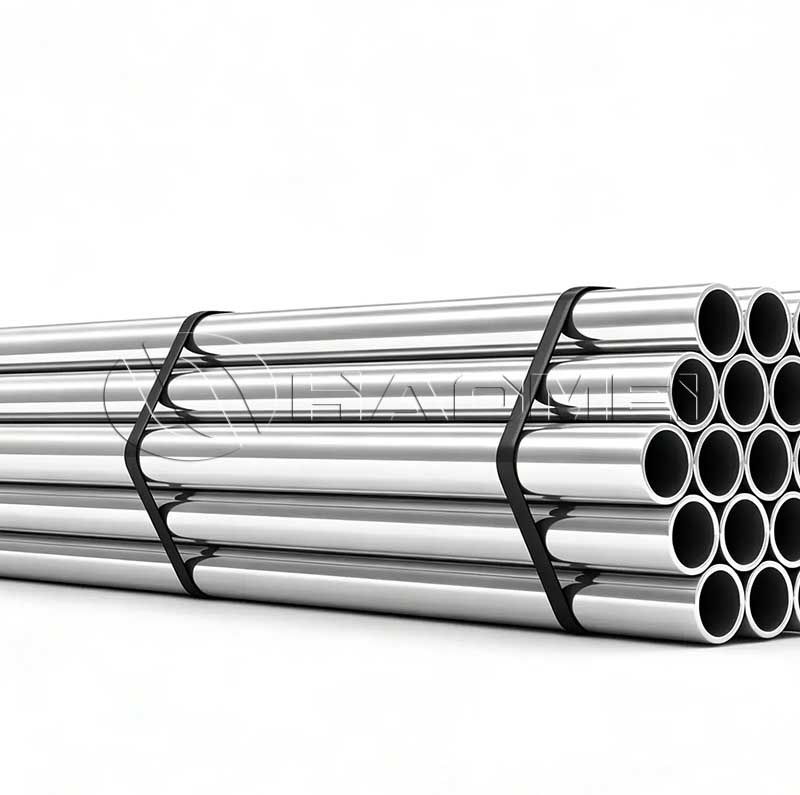
A 2205 duplex stainless steel pipe is often a reliable choice for water treatment, pulp and paper production, storage tanks, heat exchangers, and many chemical transport systems. It performs well where chloride concentration, temperature, and stagnation conditions remain within reasonable limits.
However, 2205 may be less suitable for hot seawater, highly concentrated brines, or poorly aerated crevices. In these cases, 2507 provides a larger safety margin. Its higher chromium, molybdenum, and nitrogen levels improve resistance against pitting and crevice attack, especially in chloride-rich environments.
For offshore oil and gas systems, seawater injection lines, reverse osmosis plants, and aggressive marine applications, a high performance 2507 duplex pipe can reduce the risk of premature corrosion failure. The additional corrosion resistance may also help extend maintenance intervals and service life.
Strength and Wall-Thickness Benefits
Both grades offer high mechanical strength compared with common stainless steels. In many cases, duplex stainless steels have roughly twice the yield strength of 304L or 316L. This can allow designers to use thinner wall sections while maintaining required pressure ratings.
2507 generally provides slightly higher strength than 2205. This benefit can be important in high-pressure piping systems, subsea equipment, pressure vessels, and structural components where weight reduction is valuable.
However, the wall-thickness advantage should be evaluated carefully. A thinner 2507 wall may save weight and reduce material volume, but these savings do not always offset the higher price per kilogram. In less critical applications, 2205 can often meet the same pressure and structural requirements at a lower total cost.
Cost Comparison: Material Price Is Only One Factor
2507 is usually more expensive than 2205 because it contains higher levels of nickel, molybdenum, chromium, and nitrogen. These alloying elements improve corrosion resistance but also make the material more sensitive to fluctuations in raw-material prices.
Beyond the purchase price, buyers should consider availability, lead time, welding consumables, fabrication complexity, inspection requirements, and possible replacement costs. In some markets, 2205 is more widely available in pipes, fittings, plates, bars, and flanges. This can shorten procurement time and simplify project planning.
Fabrication costs may also increase with 2507. Welding procedures must be carefully controlled to preserve the correct duplex phase balance and prevent harmful intermetallic phases. Heat input, interpass temperature, filler material, and post-weld cleaning all require attention. While 2205 also needs qualified welding practices, 2507 may demand tighter process control.
Therefore, the lowest-cost option is not always the grade with the lowest initial material price. At the same time, the most corrosion-resistant option is not always the most economical choice. Life-cycle cost analysis is essential.
How to Choose the Right Grade
2205 is generally appropriate when the environment includes moderate chlorides, process fluids, industrial water, mildly corrosive chemicals, and normal marine atmospheres. It is often selected for chemical tanks, pipelines, heat exchangers, pump components, and structural equipment.
2507 is more appropriate for severe chloride exposure, elevated temperatures, seawater immersion, desalination, offshore production, and highly corrosive process media. It is especially valuable where equipment failure could cause expensive downtime, environmental damage, or safety risks.
Engineers should review chloride concentration, operating temperature, fluid velocity, oxygen content, crevice conditions, pressure requirements, and welding plans before making a final selection. Supplier quality, chemical composition, mechanical testing, and certification should also be verified.
Summary
2507 is not simply a “better” version of 2205; it is a higher-alloy solution for more demanding service conditions. Its superior corrosion resistance and strength make it ideal for aggressive marine, offshore, and chloride-rich environments. However, its higher material and fabrication costs can make it unnecessary for moderate-duty applications.
For projects with balanced corrosion demands and budget priorities, 2205 remains a highly practical and cost-effective duplex stainless steel grade. For critical systems exposed to severe corrosion risks, investing in 2507 can provide greater reliability, longer service life, and lower long-term maintenance costs.
Original source: https://www.marinesteelpipe.com/a/is-2507-always-better-than-2205-cost-and-performance-comparison.html
Prev: What Are Stainless Steel Pipes For Offshore Applications
Related Product
Although 2507 offers higher corrosion resistance and strength than 2205, it is not automatically the best material for every project. The right choice depends on the service environment, design pressure, chloride exposure, temperature, fabrication requirements, and total project budget. For many industrial, marine, and chemical-processing applications, 2205 provides an excellent balance of performance and cost. However, when chloride levels are extremely high or failure consequences are severe, 2507 may justify its higher price.
In short, 2507 should be selected for demanding environments where 2205 approaches its corrosion limits. If the operating conditions are moderate, choosing 2507 may result in unnecessary material and fabrication costs.
Understanding the Difference Between 2205 and 2507
Both 2205 and 2507 belong to the duplex stainless steel family. Duplex grades contain a balanced microstructure of austenite and ferrite, giving them higher strength than conventional austenitic stainless steels such as 304 and 316. They also provide strong resistance to stress corrosion cracking, pitting, crevice corrosion, and general corrosion.
2205 is commonly known as standard duplex stainless steel. It typically contains around 22% chromium, 5% nickel, and 3% molybdenum. Its corrosion resistance is significantly better than 316L, making it suitable for many chloride-containing and corrosive process environments.
2507 is classified as super duplex stainless steel. It usually contains approximately 25% chromium, 7% nickel, and 4% molybdenum, together with higher nitrogen content. This upgraded chemistry gives 2507 a higher Pitting Resistance Equivalent Number, or PREN, than 2205. As a result, it can withstand more aggressive chloride conditions and more severe offshore or chemical-processing environments.
Corrosion Resistance: Where 2507 Has the Advantage
The biggest performance advantage of 2507 is its superior resistance to localized corrosion. Pitting and crevice corrosion are major concerns in seawater, brine, desalination systems, offshore platforms, and equipment exposed to concentrated chlorides.
A 2205 duplex stainless steel pipe is often a reliable choice for water treatment, pulp and paper production, storage tanks, heat exchangers, and many chemical transport systems. It performs well where chloride concentration, temperature, and stagnation conditions remain within reasonable limits.
However, 2205 may be less suitable for hot seawater, highly concentrated brines, or poorly aerated crevices. In these cases, 2507 provides a larger safety margin. Its higher chromium, molybdenum, and nitrogen levels improve resistance against pitting and crevice attack, especially in chloride-rich environments.
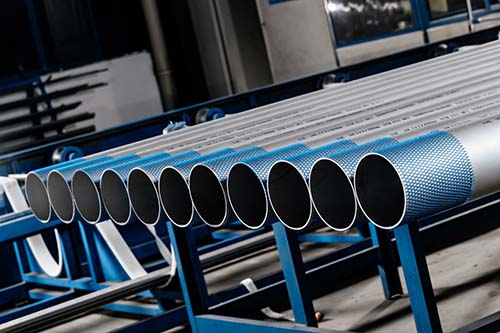
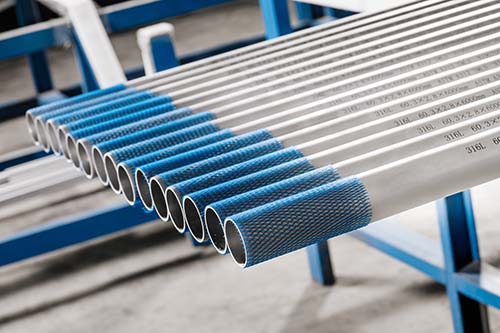
For offshore oil and gas systems, seawater injection lines, reverse osmosis plants, and aggressive marine applications, a high performance 2507 duplex pipe can reduce the risk of premature corrosion failure. The additional corrosion resistance may also help extend maintenance intervals and service life.
Strength and Wall-Thickness Benefits
Both grades offer high mechanical strength compared with common stainless steels. In many cases, duplex stainless steels have roughly twice the yield strength of 304L or 316L. This can allow designers to use thinner wall sections while maintaining required pressure ratings.
2507 generally provides slightly higher strength than 2205. This benefit can be important in high-pressure piping systems, subsea equipment, pressure vessels, and structural components where weight reduction is valuable.
However, the wall-thickness advantage should be evaluated carefully. A thinner 2507 wall may save weight and reduce material volume, but these savings do not always offset the higher price per kilogram. In less critical applications, 2205 can often meet the same pressure and structural requirements at a lower total cost.
Cost Comparison: Material Price Is Only One Factor
2507 is usually more expensive than 2205 because it contains higher levels of nickel, molybdenum, chromium, and nitrogen. These alloying elements improve corrosion resistance but also make the material more sensitive to fluctuations in raw-material prices.
Beyond the purchase price, buyers should consider availability, lead time, welding consumables, fabrication complexity, inspection requirements, and possible replacement costs. In some markets, 2205 is more widely available in pipes, fittings, plates, bars, and flanges. This can shorten procurement time and simplify project planning.
Fabrication costs may also increase with 2507. Welding procedures must be carefully controlled to preserve the correct duplex phase balance and prevent harmful intermetallic phases. Heat input, interpass temperature, filler material, and post-weld cleaning all require attention. While 2205 also needs qualified welding practices, 2507 may demand tighter process control.
Therefore, the lowest-cost option is not always the grade with the lowest initial material price. At the same time, the most corrosion-resistant option is not always the most economical choice. Life-cycle cost analysis is essential.
How to Choose the Right Grade
2205 is generally appropriate when the environment includes moderate chlorides, process fluids, industrial water, mildly corrosive chemicals, and normal marine atmospheres. It is often selected for chemical tanks, pipelines, heat exchangers, pump components, and structural equipment.
2507 is more appropriate for severe chloride exposure, elevated temperatures, seawater immersion, desalination, offshore production, and highly corrosive process media. It is especially valuable where equipment failure could cause expensive downtime, environmental damage, or safety risks.
Engineers should review chloride concentration, operating temperature, fluid velocity, oxygen content, crevice conditions, pressure requirements, and welding plans before making a final selection. Supplier quality, chemical composition, mechanical testing, and certification should also be verified.
Summary
2507 is not simply a “better” version of 2205; it is a higher-alloy solution for more demanding service conditions. Its superior corrosion resistance and strength make it ideal for aggressive marine, offshore, and chloride-rich environments. However, its higher material and fabrication costs can make it unnecessary for moderate-duty applications.
For projects with balanced corrosion demands and budget priorities, 2205 remains a highly practical and cost-effective duplex stainless steel grade. For critical systems exposed to severe corrosion risks, investing in 2507 can provide greater reliability, longer service life, and lower long-term maintenance costs.