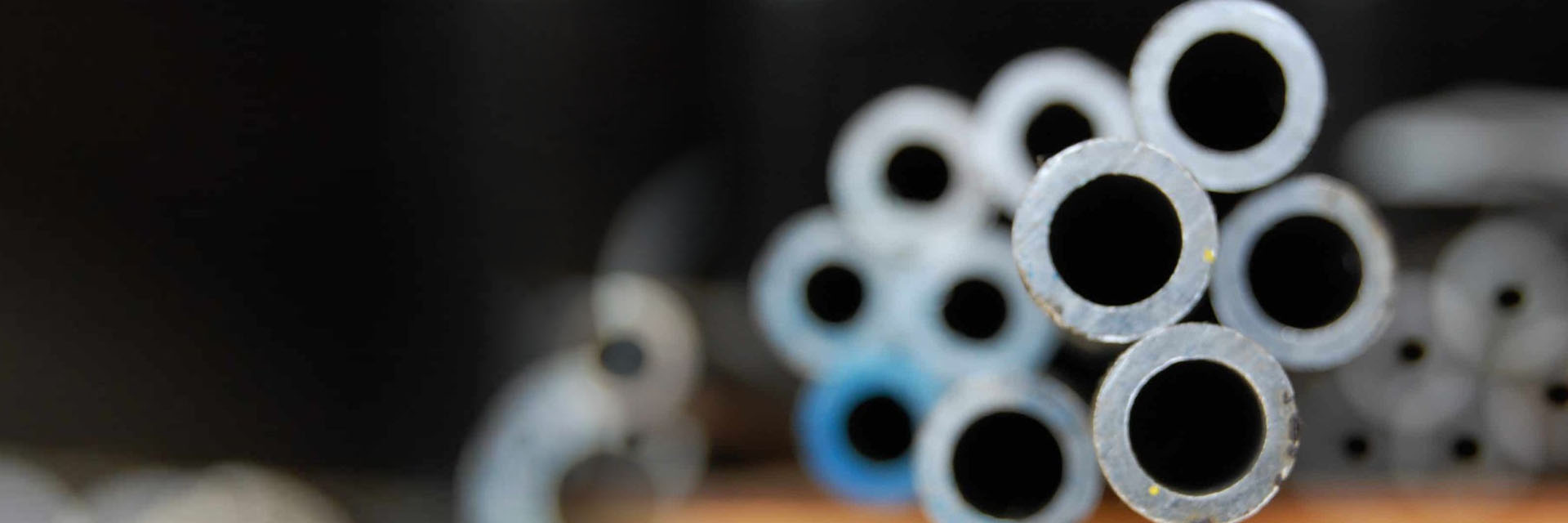
2-inch 304 Stainless Pipe Welded VS Seamless
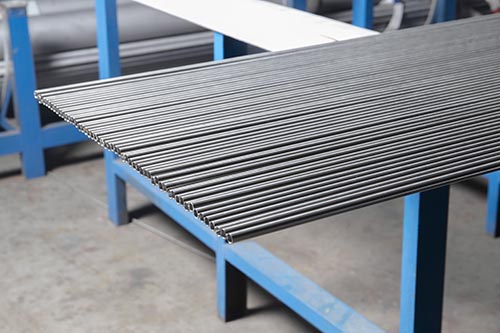
The 2 inch stainless steel pipe made of material 1.4301 stainless steel, commonly known as 304 stainless steel, is one of the most versatile and widely used piping products in industrial and commercial sectors. It is categorized into two core types: welded and seamless pipes.
Though both adopt premium 1.4301 stainless steel with excellent corrosion resistance, oxidation resistance and ductility, they differ drastically in price, pressure rating, surface quality, lead time and practical applications. A clear comparison of these two 2-inch stainless steel pipe variants helps engineers and purchasers select the optimal product for specific project requirements.
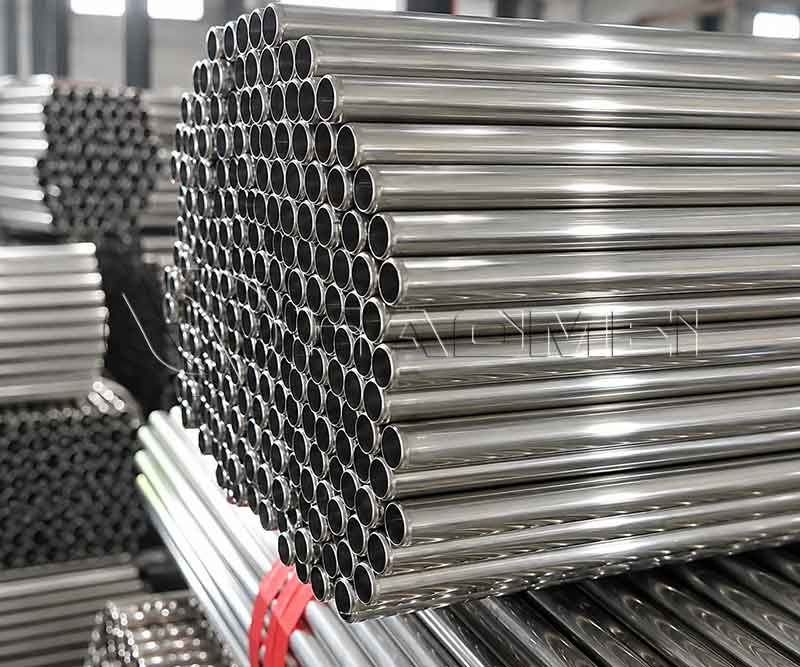
In terms of price, 2-inch welded 304 stainless pipes hold a distinct cost advantage. The manufacturing process of welded pipes involves rolling stainless steel plates into tubular shapes and welding the seams, which features high production efficiency and low material waste.
In contrast, seamless 2 inch stainless steel pipe requires complex hot piercing, extrusion and precision finishing processes with higher energy consumption and lower output. As a result, material 1.4301 stainless steel seamless pipes are typically 20%–35% more expensive than their welded counterparts. For large-scale conventional projects with budget constraints, welded pipes are the more cost-effective choice, while seamless pipes are priced higher for their superior structural performance.
Pressure rating is the most critical performance gap between the two pipes. Without welding seams, 2-inch seamless 1.4301 stainless steel pipes feature uniform wall thickness and integrated metal structure, eliminating weak points under pressure. They can withstand high internal pressure and mechanical impact, with stable pressure resistance even under extreme high-temperature and high-pressure working conditions.
Welded 2 inch stainless steel pipe, by contrast, has a linear weld seam that becomes a structural weakness. Although modern welding technology and post-weld treatment greatly improve seam stability, it still cannot match the pressure-bearing capacity of seamless pipes. Welded pipes are only suitable for low to medium pressure environments, while seamless pipes meet strict high-pressure industrial standards.
When it comes to surface quality, welded 2-inch 304 stainless pipes show more stable and exquisite surface performance. The plate-based production process ensures uniform surface flatness, smooth texture and consistent gloss, with few surface defects. They are easy to polish, brush and other surface treatments, ideal for scenarios requiring high appearance quality.
Seamless 1.4301 stainless steel pipes, produced via hot processing, may have minor surface unevenness, oxide scales and tiny dimensional deviations. Additional polishing and trimming procedures are usually required to achieve a refined surface, resulting in higher post-processing costs.
Lead time further differentiates their practical usability. Welded 2 inch stainless steel pipe supports standardized mass production with sufficient raw material reserves and mature assembly lines. Its production cycle is short, with conventional specifications available in stock, enabling fast delivery within 3–7 working days.
Seamless 2-inch 1.4301 stainless steel pipes require customized hot processing and precision calibration, with complicated production procedures and limited daily output. The lead time is usually 2–4 weeks, longer than welded pipes, making it unsuitable for urgent construction projects.
In terms of applications, their performance differences define distinct usage scenarios. Welded 2-inch 304 stainless pipes are widely used in low-pressure, conventional environments, including HVAC systems, municipal water supply, general building piping, and ordinary fluid transportation projects, balancing cost and basic performance perfectly.
Seamless 1.4301 stainless steel pipes, with high pressure resistance and structural stability, are exclusively applied in high-standard industrial fields such as chemical processing, oil and gas transportation, power generation equipment, marine engineering and high-pressure fluid delivery systems, where safety and durability are prioritized.
In conclusion, the choice between welded and seamless 2 inch stainless steel pipe (material 1.4301 stainless steel) depends on project budget, pressure requirements, surface standards and construction schedule. Welded pipes excel in cost efficiency, fast delivery and fine surface quality for conventional scenarios, while seamless pipes stand out in high-pressure, high-reliability industrial applications.
Original source: https://www.marinesteelpipe.com/a/2-inch-304-stainless-pipe-welded-vs-seamless.html
Prev: What Are Choices of Structural Steel Tubing For Offshore Platforms
Related Product
The 2 inch stainless steel pipe made of material 1.4301 stainless steel, commonly known as 304 stainless steel, is one of the most versatile and widely used piping products in industrial and commercial sectors. It is categorized into two core types: welded and seamless pipes.
Though both adopt premium 1.4301 stainless steel with excellent corrosion resistance, oxidation resistance and ductility, they differ drastically in price, pressure rating, surface quality, lead time and practical applications. A clear comparison of these two 2-inch stainless steel pipe variants helps engineers and purchasers select the optimal product for specific project requirements.
In terms of price, 2-inch welded 304 stainless pipes hold a distinct cost advantage. The manufacturing process of welded pipes involves rolling stainless steel plates into tubular shapes and welding the seams, which features high production efficiency and low material waste.
In contrast, seamless 2 inch stainless steel pipe requires complex hot piercing, extrusion and precision finishing processes with higher energy consumption and lower output. As a result, material 1.4301 stainless steel seamless pipes are typically 20%–35% more expensive than their welded counterparts. For large-scale conventional projects with budget constraints, welded pipes are the more cost-effective choice, while seamless pipes are priced higher for their superior structural performance.
Pressure rating is the most critical performance gap between the two pipes. Without welding seams, 2-inch seamless 1.4301 stainless steel pipes feature uniform wall thickness and integrated metal structure, eliminating weak points under pressure. They can withstand high internal pressure and mechanical impact, with stable pressure resistance even under extreme high-temperature and high-pressure working conditions.
Welded 2 inch stainless steel pipe, by contrast, has a linear weld seam that becomes a structural weakness. Although modern welding technology and post-weld treatment greatly improve seam stability, it still cannot match the pressure-bearing capacity of seamless pipes. Welded pipes are only suitable for low to medium pressure environments, while seamless pipes meet strict high-pressure industrial standards.
When it comes to surface quality, welded 2-inch 304 stainless pipes show more stable and exquisite surface performance. The plate-based production process ensures uniform surface flatness, smooth texture and consistent gloss, with few surface defects. They are easy to polish, brush and other surface treatments, ideal for scenarios requiring high appearance quality.
Seamless 1.4301 stainless steel pipes, produced via hot processing, may have minor surface unevenness, oxide scales and tiny dimensional deviations. Additional polishing and trimming procedures are usually required to achieve a refined surface, resulting in higher post-processing costs.
Lead time further differentiates their practical usability. Welded 2 inch stainless steel pipe supports standardized mass production with sufficient raw material reserves and mature assembly lines. Its production cycle is short, with conventional specifications available in stock, enabling fast delivery within 3–7 working days.
Seamless 2-inch 1.4301 stainless steel pipes require customized hot processing and precision calibration, with complicated production procedures and limited daily output. The lead time is usually 2–4 weeks, longer than welded pipes, making it unsuitable for urgent construction projects.
In terms of applications, their performance differences define distinct usage scenarios. Welded 2-inch 304 stainless pipes are widely used in low-pressure, conventional environments, including HVAC systems, municipal water supply, general building piping, and ordinary fluid transportation projects, balancing cost and basic performance perfectly.
Seamless 1.4301 stainless steel pipes, with high pressure resistance and structural stability, are exclusively applied in high-standard industrial fields such as chemical processing, oil and gas transportation, power generation equipment, marine engineering and high-pressure fluid delivery systems, where safety and durability are prioritized.
In conclusion, the choice between welded and seamless 2 inch stainless steel pipe (material 1.4301 stainless steel) depends on project budget, pressure requirements, surface standards and construction schedule. Welded pipes excel in cost efficiency, fast delivery and fine surface quality for conventional scenarios, while seamless pipes stand out in high-pressure, high-reliability industrial applications.