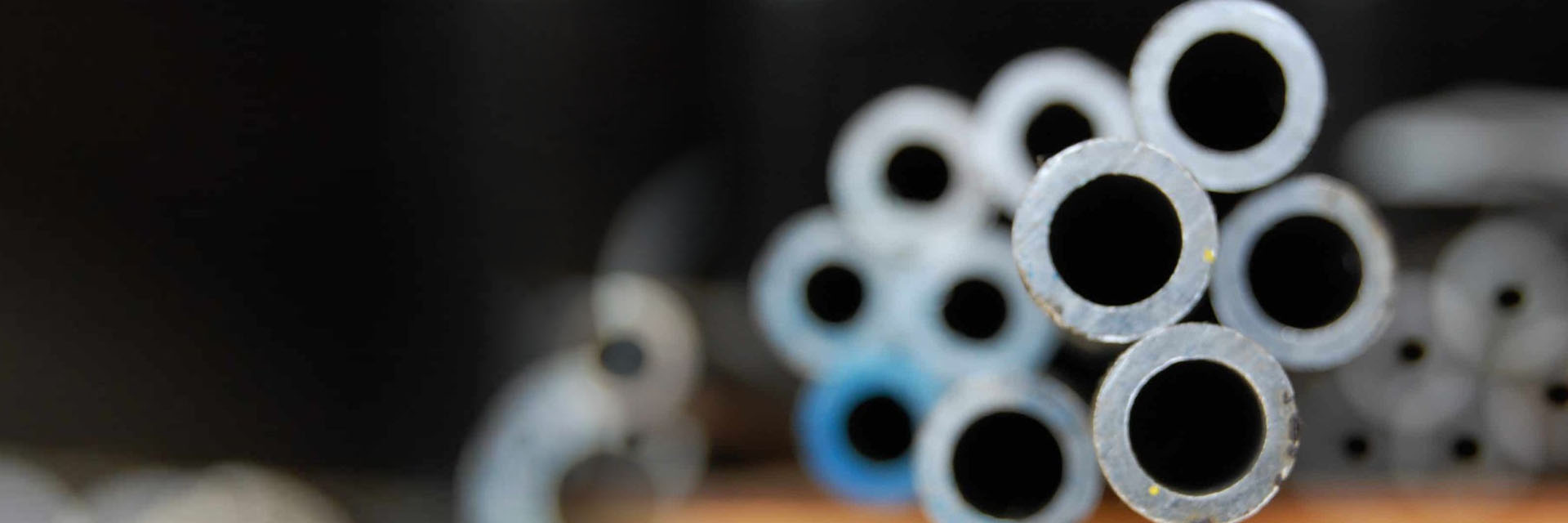
Stainless Steel Round Tube
Marine vessels and offshore equipment operate in one of the most demanding corrosion environments. Salt spray, stagnant seawater, elevated temperatures, and weld heat tint can rapidly damage an incorrectly specified tube.
The primary concern for marine tubing is chloride pitting and crevice corrosion resistance. A polished 316L tube may perform well in open, regularly washed atmospheres. However, it is not a universal seawater solution. Material selection must match the actual exposure, fabrication method, and inspection plan.
Select the Alloy for the Exposure, Not Appearance
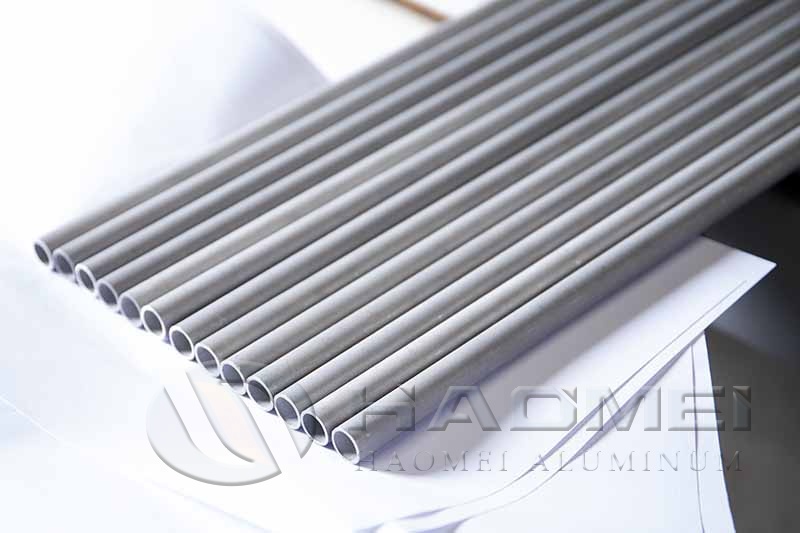
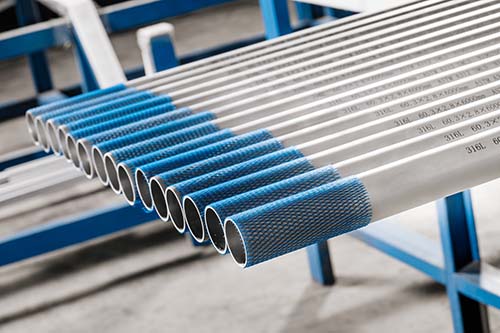
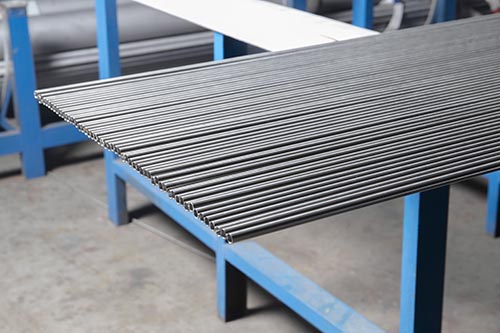
A stainless steel round tube is produced with a circular outside diameter and defined wall thickness. It is commonly used for seawater systems, instrument lines, heat-exchanger connections, handrails, architectural marine fittings, and structural supports. The term "tube" usually indicates tighter dimensional requirements than general piping, but the purchase specification must state OD, wall thickness, tolerances, straightness, surface finish, and test requirements.
Marine corrosion is strongly influenced by deposits and oxygen availability. Chlorides can concentrate under clamps, insulation, marine growth, gaskets, and salt deposits. These crevices are often more severe than fully immersed, flowing seawater.
| Grade | Typical UNS designation | Relevant composition feature | Suitable marine exposure considerations |
|---|---|---|---|
| 316L | S31603 | 2.00% to 3.00% molybdenum under ASTM A240 | External marine atmosphere and moderate chloride exposure when drainage and washing are maintained |
| Duplex 2205 | S32205 | Higher chromium, molybdenum, and nitrogen than 316L | Often selected for improved resistance to chloride corrosion and chloride stress corrosion cracking |
| 6Mo austenitic | S31254 | 6.00% to 6.50% molybdenum under ASTM A240 | Considered for highly aggressive chloride duties, including demanding seawater-related equipment |
316L is often specified because it is widely available and readily fabricated. Its low-carbon designation supports improved resistance to sensitization after welding. It does not eliminate pitting risk. Warm, stagnant seawater and unremoved weld discoloration remain significant threats.
Duplex 2205 offers higher strength than common austenitic grades and stronger chloride-corrosion performance in many services. It requires qualified welding control. Excessive heat input or poor shielding can impair corrosion resistance. For highly severe seawater duties, 6Mo alloys may be evaluated, subject to the full design environment and project requirements.
Pitting resistance equivalent number, often expressed using chromium, molybdenum, and nitrogen content, is useful as an initial alloy comparison tool. It is not a substitute for service qualification. Crevice geometry, temperature, flow, deposits, and weld condition can change real performance.
Seamless or Welded Tube: Specify the Weld Controls
Seamless tubing has no longitudinal weld seam. It is frequently selected for high-pressure lines, critical hydraulic duties, and applications where uniformity through the wall is required. Welded tubing can also be suitable for marine service when it is manufactured to the correct standard and the weld condition is properly controlled.
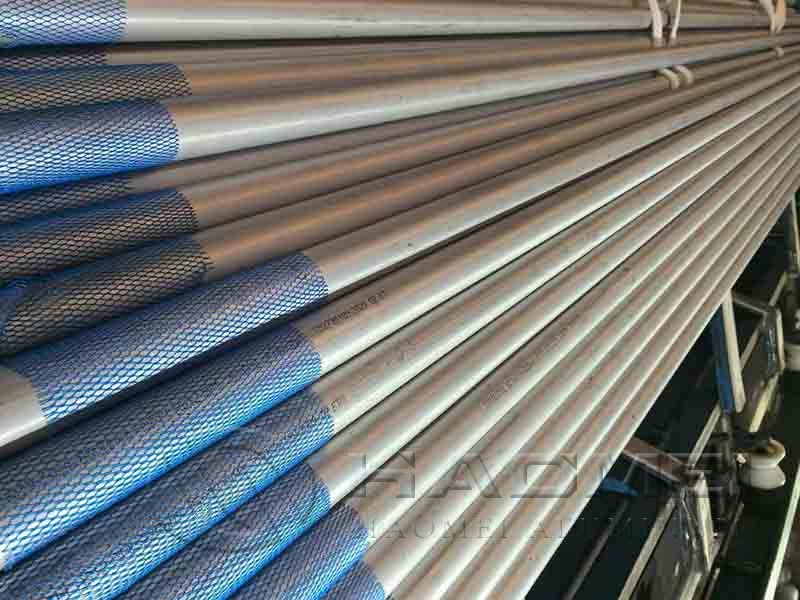
For austenitic products, ASTM A312 covers seamless, welded, and heavily cold-worked austenitic stainless steel pipe for high-temperature and general corrosive service. ASTM A269 covers seamless and welded austenitic stainless steel tubing for general service. ASTM A789 covers seamless and welded ferritic/austenitic stainless steel tubing for general corrosive service, with duplex grades included.
A project requiring pressure containment should not rely on a trade name alone. State the product standard, grade, manufacturing route, dimensions, testing, and acceptance documents. The material scope of ASTM A789 A312 Steel Pipe is relevant when duplex tubing or austenitic pressure pipe standards are being assessed.
For welded marine tube, include these controls in the technical specification:
- Full removal of heat tint by mechanical finishing followed by suitable chemical cleaning or pickling, where permitted by the project procedure.
- Weld procedure qualification appropriate to the alloy and service.
- Shielding and purge-gas controls for corrosion-sensitive internal surfaces.
- Defined non-destructive examination scope, such as eddy-current or hydrostatic testing where required by the governing standard.
- No unapproved crevice-forming attachments, sharp laps, or embedded iron contamination.
ASTM A380/A380M provides recognized practices for cleaning, descaling, and passivation of stainless steel parts, equipment, and systems. It does not guarantee corrosion performance. It establishes process considerations that should be incorporated into fabrication and inspection procedures.
Define Inspection, Certification, and Delivery Requirements
A marine tube order should contain measurable acceptance criteria. "316L polished tube" is not enough for a safety-critical or seawater-facing installation. Surface appearance alone does not verify alloy chemistry, wall thickness, mechanical properties, or weld quality.
| Requirement | What to state | Why it matters |
|---|---|---|
| Material identity | Standard, grade, UNS number, heat number, and product form | Prevents substitution between similar-looking stainless grades |
| Certification | EN 10204 Type 3.1 inspection certificate, if contractually required | Links test results to the supplied heat or batch |
| Dimensions | OD, wall thickness, length, tolerances, ovality, and straightness | Supports fit-up, pressure design, and automated fabrication |
| Surface condition | Mill finish, polished finish, pickled/passivated condition, and roughness where needed | Reduces deposit retention and supports cleaning requirements |
| Corrosion testing | Define ASTM G48 method, temperature, duration, and acceptance criteria when applicable | Makes laboratory corrosion testing comparable and auditable |
| Traceability | Permanent marking and traceability after cutting | Maintains material control during fabrication and installation |
ASTM G48 is commonly used for pitting and crevice corrosion testing of stainless steels and related alloys using ferric chloride solutions. Test method, temperature, specimen preparation, and acceptance limit must be agreed in advance. A passing G48 result does not replicate every seawater installation, but it can provide a controlled comparison for material and weld qualification.
For classed vessels, acceptance may also depend on the rules of the selected classification society, the piping service category, design pressure, and welding documentation. Confirm these requirements before production. This avoids late changes to testing scope, certificates, marking, or inspection hold points.
Original source: https://www.marinesteelpipe.com/a/stainless-steel-round-tube.html
Prev: Super Duplex Pipe For Oil Wells And Drilling Platform
Next: What Are Choices of Structural Steel Tubing For Offshore Platforms
Related Product
Marine vessels and offshore equipment operate in one of the most demanding corrosion environments. Salt spray, stagnant seawater, elevated temperatures, and weld heat tint can rapidly damage an incorrectly specified tube.
The primary concern for marine tubing is chloride pitting and crevice corrosion resistance. A polished 316L tube may perform well in open, regularly washed atmospheres. However, it is not a universal seawater solution. Material selection must match the actual exposure, fabrication method, and inspection plan.
Select the Alloy for the Exposure, Not Appearance
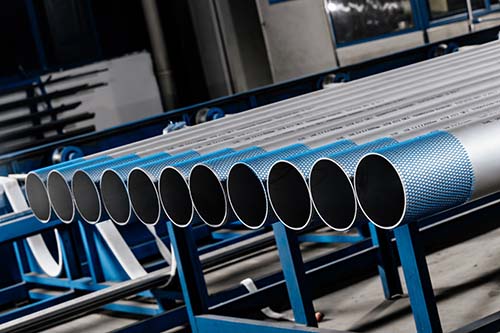
A stainless steel round tube is produced with a circular outside diameter and defined wall thickness. It is commonly used for seawater systems, instrument lines, heat-exchanger connections, handrails, architectural marine fittings, and structural supports. The term "tube" usually indicates tighter dimensional requirements than general piping, but the purchase specification must state OD, wall thickness, tolerances, straightness, surface finish, and test requirements.
Marine corrosion is strongly influenced by deposits and oxygen availability. Chlorides can concentrate under clamps, insulation, marine growth, gaskets, and salt deposits. These crevices are often more severe than fully immersed, flowing seawater.
| Grade | Typical UNS designation | Relevant composition feature | Suitable marine exposure considerations |
|---|---|---|---|
| 316L | S31603 | 2.00% to 3.00% molybdenum under ASTM A240 | External marine atmosphere and moderate chloride exposure when drainage and washing are maintained |
| Duplex 2205 | S32205 | Higher chromium, molybdenum, and nitrogen than 316L | Often selected for improved resistance to chloride corrosion and chloride stress corrosion cracking |
| 6Mo austenitic | S31254 | 6.00% to 6.50% molybdenum under ASTM A240 | Considered for highly aggressive chloride duties, including demanding seawater-related equipment |
316L is often specified because it is widely available and readily fabricated. Its low-carbon designation supports improved resistance to sensitization after welding. It does not eliminate pitting risk. Warm, stagnant seawater and unremoved weld discoloration remain significant threats.
Duplex 2205 offers higher strength than common austenitic grades and stronger chloride-corrosion performance in many services. It requires qualified welding control. Excessive heat input or poor shielding can impair corrosion resistance. For highly severe seawater duties, 6Mo alloys may be evaluated, subject to the full design environment and project requirements.
Pitting resistance equivalent number, often expressed using chromium, molybdenum, and nitrogen content, is useful as an initial alloy comparison tool. It is not a substitute for service qualification. Crevice geometry, temperature, flow, deposits, and weld condition can change real performance.
Seamless or Welded Tube: Specify the Weld Controls
Seamless tubing has no longitudinal weld seam. It is frequently selected for high-pressure lines, critical hydraulic duties, and applications where uniformity through the wall is required. Welded tubing can also be suitable for marine service when it is manufactured to the correct standard and the weld condition is properly controlled.
For austenitic products, ASTM A312 covers seamless, welded, and heavily cold-worked austenitic stainless steel pipe for high-temperature and general corrosive service. ASTM A269 covers seamless and welded austenitic stainless steel tubing for general service. ASTM A789 covers seamless and welded ferritic/austenitic stainless steel tubing for general corrosive service, with duplex grades included.
A project requiring pressure containment should not rely on a trade name alone. State the product standard, grade, manufacturing route, dimensions, testing, and acceptance documents. The material scope of ASTM A789 A312 Steel Pipe is relevant when duplex tubing or austenitic pressure pipe standards are being assessed.
For welded marine tube, include these controls in the technical specification:
- Full removal of heat tint by mechanical finishing followed by suitable chemical cleaning or pickling, where permitted by the project procedure.
- Weld procedure qualification appropriate to the alloy and service.
- Shielding and purge-gas controls for corrosion-sensitive internal surfaces.
- Defined non-destructive examination scope, such as eddy-current or hydrostatic testing where required by the governing standard.
- No unapproved crevice-forming attachments, sharp laps, or embedded iron contamination.
ASTM A380/A380M provides recognized practices for cleaning, descaling, and passivation of stainless steel parts, equipment, and systems. It does not guarantee corrosion performance. It establishes process considerations that should be incorporated into fabrication and inspection procedures.
Define Inspection, Certification, and Delivery Requirements
A marine tube order should contain measurable acceptance criteria. "316L polished tube" is not enough for a safety-critical or seawater-facing installation. Surface appearance alone does not verify alloy chemistry, wall thickness, mechanical properties, or weld quality.
| Requirement | What to state | Why it matters |
|---|---|---|
| Material identity | Standard, grade, UNS number, heat number, and product form | Prevents substitution between similar-looking stainless grades |
| Certification | EN 10204 Type 3.1 inspection certificate, if contractually required | Links test results to the supplied heat or batch |
| Dimensions | OD, wall thickness, length, tolerances, ovality, and straightness | Supports fit-up, pressure design, and automated fabrication |
| Surface condition | Mill finish, polished finish, pickled/passivated condition, and roughness where needed | Reduces deposit retention and supports cleaning requirements |
| Corrosion testing | Define ASTM G48 method, temperature, duration, and acceptance criteria when applicable | Makes laboratory corrosion testing comparable and auditable |
| Traceability | Permanent marking and traceability after cutting | Maintains material control during fabrication and installation |
ASTM G48 is commonly used for pitting and crevice corrosion testing of stainless steels and related alloys using ferric chloride solutions. Test method, temperature, specimen preparation, and acceptance limit must be agreed in advance. A passing G48 result does not replicate every seawater installation, but it can provide a controlled comparison for material and weld qualification.
For classed vessels, acceptance may also depend on the rules of the selected classification society, the piping service category, design pressure, and welding documentation. Confirm these requirements before production. This avoids late changes to testing scope, certificates, marking, or inspection hold points.