Stainless Steel Tubing Suppliers
Marine operators need tubing that remains reliable in chloride-rich air, splash zones, ballast systems, and process lines. For this reason, supplier selection should focus first on corrosion resistance supported by full material traceability. Price matters, but an undocumented heat number or incorrect grade can create much higher lifecycle costs.
316L Corrosion Resistance Is the Main Marine Concern
Type 316L stainless steel is widely specified for marine piping because molybdenum improves resistance to pitting and crevice corrosion compared with Type 304L. Under ASTM A240 chemical limits for 316L plate, sheet, and strip products used as starting material, molybdenum is typically 2.00% to 3.00%, chromium 16.00% to 18.00%, and nickel 10.00% to 14.00%. The low-carbon L grade helps reduce the risk of sensitization after welding.
However, 316L is not immune to chloride attack. Stagnant seawater, deposits, poor drainage, and elevated temperature can promote crevice corrosion. A responsible source should therefore discuss the actual service condition, not simply offer a familiar grade name.
For seawater cooling, fire-fighting, scrubber, hydraulic, or chemical systems, confirm these points before placing an order:
- Chloride concentration and expected operating temperature.
- Internal flow condition, including stagnant periods and dead legs.
- External exposure to salt spray, insulation, or standing water.
- Welding method, filler metal, and post-weld cleaning requirements.
- Need for duplex stainless steel where 316L may not provide sufficient corrosion margin.
A polished surface is not a substitute for correct alloy selection. Surface finish can reduce sites for deposit accumulation, but it cannot compensate for unsuitable chemistry or poor fabrication practice.
Standards, Dimensions, and Product Forms to Request
Marine stainless products are commonly supplied as seamless or welded pipe and tube. The correct form depends on design pressure, dimensions, inspection requirements, and project specification.
| Product form | Common reference standard | Typical marine use | Important check |
|---|---|---|---|
| Seamless austenitic pipe | ASTM A312 | Higher-pressure process and utility lines | Wall thickness, heat treatment, hydrostatic or NDT requirements |
| Welded austenitic tube | ASTM A269 | Instrumentation and general service tubing | OD tolerance, weld quality, cleanliness |
| Duplex welded or seamless pipe | ASTM A789 | Chloride-bearing and higher-strength service | Duplex grade, ferrite control, corrosion test requirements |
| European seamless pipe | EN 10216-5 | Pressure-purpose piping under EN specifications | Steel grade and inspection document |
| European welded pipe | EN 10217-7 | Welded pressure piping applications | Weld testing and dimensional tolerance |
ASTM A312 covers seamless, straight-seam welded, and heavily cold-worked welded austenitic stainless steel pipe intended for high-temperature and general corrosive service. ASTM A269 covers seamless and welded austenitic stainless steel tubing for general service. They are not interchangeable without reviewing the project specification.
Nominal pipe size, schedule, outside diameter, wall thickness, and length must be stated clearly. A supplier quotation should also identify end condition, such as plain end, bevel end, threaded end, or custom cut length. For marine fabrication, random lengths can increase waste and weld count, while fixed lengths may simplify spool production.
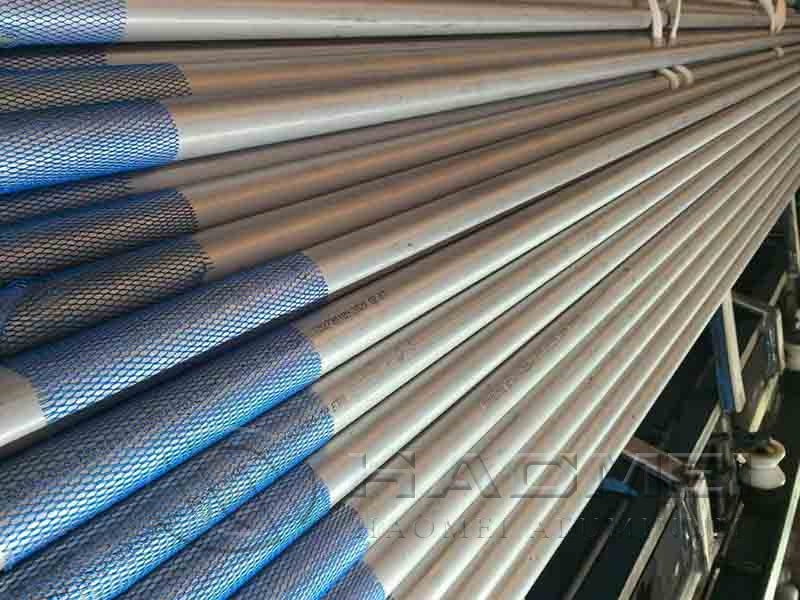
When a project calls for standard-compliant austenitic pipe, specify the applicable product range as ASTM A789 A312 Steel Pipe rather than relying only on a grade name. This helps align material form, manufacturing route, dimensions, and testing expectations.
Traceability and Inspection Separate Qualified Sources
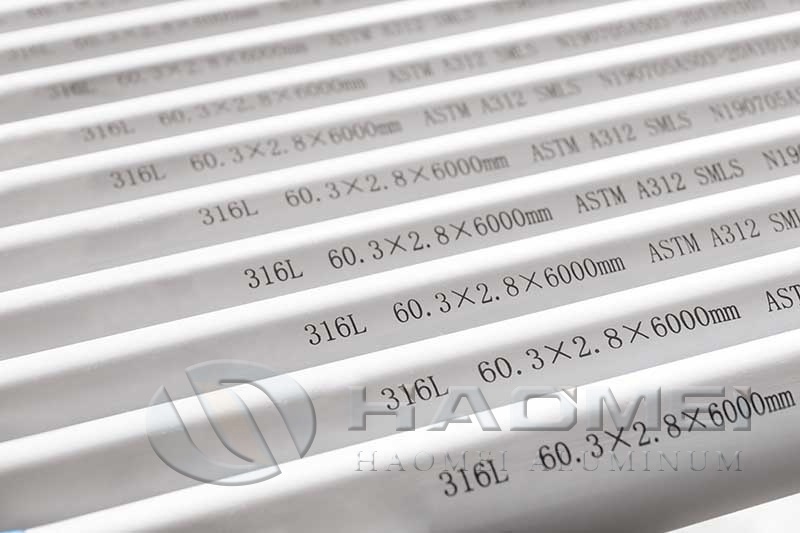
For marine projects, the most useful supplier capability is traceability from finished length back to the melt or heat. Each pipe or tube should be marked or otherwise traceable to the corresponding material test certificate. Request an EN 10204 Type 3.1 inspection certificate when required by the purchase specification. This document is issued by the manufacturer and validated by its authorized inspection representative independent of the manufacturing department.
A complete certificate package normally includes:
| Verification item | Why it matters |
|---|---|
| Heat number and product marking | Connects each item to chemistry and mechanical test records |
| Chemical analysis | Confirms grade identity and alloy content |
| Tensile test results | Verifies strength and elongation against the specified standard |
| Heat-treatment record | Important for corrosion resistance and mechanical properties |
| NDT or hydrostatic test record | Supports pressure-integrity requirements where specified |
| Dimensional inspection | Confirms OD, wall thickness, straightness, and length |
| PMI record, if specified | Provides alloy screening at receiving or fabrication stages |
Positive material identification, often performed by X-ray fluorescence, is useful for sorting and verifying alloy families. It should not be treated as a full replacement for mill certification. Portable XRF generally does not measure carbon accurately, so it cannot by itself distinguish 316 from 316L.
For welded products, ask how the longitudinal seam is made and tested. Depending on the standard and order requirements, inspection may include eddy-current testing, radiographic examination, or hydrostatic testing. Seamless products avoid a longitudinal weld, but they still require dimensional control and the specified examinations.
Pricing should be reviewed as a documented scope, not only as a unit rate. Alloy surcharge exposure, seamless versus welded manufacturing, wall thickness, testing, cut lengths, surface condition, certification, packaging, and delivery terms can all change the final installed cost. Compare quotations on the same standard, grade, dimensions, certificate level, and test scope.
Before approval, issue a technical data request covering service medium, grade, standard, size range, quantity, certificate type, test requirements, and marking. This gives marine engineering teams a clear basis for comparing offers and protecting long-term corrosion performance.
Original source: https://www.marinesteelpipe.com/a/stainless-steel-tubing-suppliers.html
Prev: Cost Comparison of 316L, Duplex 2205, and Super Duplex 2507 Pipes
Next: What Are Stainless Steel Pipes For Offshore Applications
Related Product
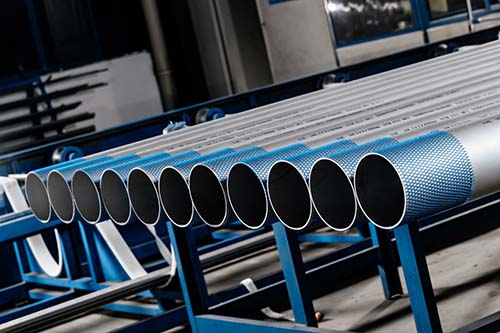
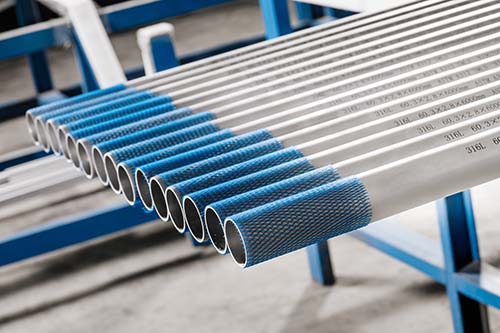
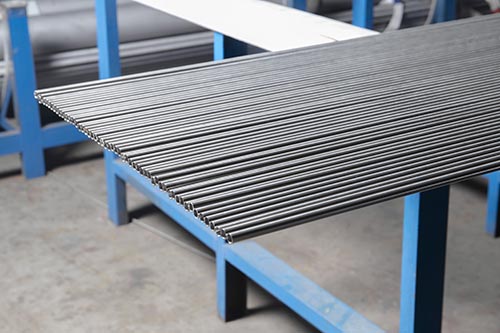
Marine operators need tubing that remains reliable in chloride-rich air, splash zones, ballast systems, and process lines. For this reason, supplier selection should focus first on corrosion resistance supported by full material traceability. Price matters, but an undocumented heat number or incorrect grade can create much higher lifecycle costs.
316L Corrosion Resistance Is the Main Marine Concern
Type 316L stainless steel is widely specified for marine piping because molybdenum improves resistance to pitting and crevice corrosion compared with Type 304L. Under ASTM A240 chemical limits for 316L plate, sheet, and strip products used as starting material, molybdenum is typically 2.00% to 3.00%, chromium 16.00% to 18.00%, and nickel 10.00% to 14.00%. The low-carbon L grade helps reduce the risk of sensitization after welding.
However, 316L is not immune to chloride attack. Stagnant seawater, deposits, poor drainage, and elevated temperature can promote crevice corrosion. A responsible source should therefore discuss the actual service condition, not simply offer a familiar grade name.
For seawater cooling, fire-fighting, scrubber, hydraulic, or chemical systems, confirm these points before placing an order:
- Chloride concentration and expected operating temperature.
- Internal flow condition, including stagnant periods and dead legs.
- External exposure to salt spray, insulation, or standing water.
- Welding method, filler metal, and post-weld cleaning requirements.
- Need for duplex stainless steel where 316L may not provide sufficient corrosion margin.
A polished surface is not a substitute for correct alloy selection. Surface finish can reduce sites for deposit accumulation, but it cannot compensate for unsuitable chemistry or poor fabrication practice.
Standards, Dimensions, and Product Forms to Request
Marine stainless products are commonly supplied as seamless or welded pipe and tube. The correct form depends on design pressure, dimensions, inspection requirements, and project specification.
| Product form | Common reference standard | Typical marine use | Important check |
|---|---|---|---|
| Seamless austenitic pipe | ASTM A312 | Higher-pressure process and utility lines | Wall thickness, heat treatment, hydrostatic or NDT requirements |
| Welded austenitic tube | ASTM A269 | Instrumentation and general service tubing | OD tolerance, weld quality, cleanliness |
| Duplex welded or seamless pipe | ASTM A789 | Chloride-bearing and higher-strength service | Duplex grade, ferrite control, corrosion test requirements |
| European seamless pipe | EN 10216-5 | Pressure-purpose piping under EN specifications | Steel grade and inspection document |
| European welded pipe | EN 10217-7 | Welded pressure piping applications | Weld testing and dimensional tolerance |
ASTM A312 covers seamless, straight-seam welded, and heavily cold-worked welded austenitic stainless steel pipe intended for high-temperature and general corrosive service. ASTM A269 covers seamless and welded austenitic stainless steel tubing for general service. They are not interchangeable without reviewing the project specification.
Nominal pipe size, schedule, outside diameter, wall thickness, and length must be stated clearly. A supplier quotation should also identify end condition, such as plain end, bevel end, threaded end, or custom cut length. For marine fabrication, random lengths can increase waste and weld count, while fixed lengths may simplify spool production.
When a project calls for standard-compliant austenitic pipe, specify the applicable product range as ASTM A789 A312 Steel Pipe rather than relying only on a grade name. This helps align material form, manufacturing route, dimensions, and testing expectations.
Traceability and Inspection Separate Qualified Sources
For marine projects, the most useful supplier capability is traceability from finished length back to the melt or heat. Each pipe or tube should be marked or otherwise traceable to the corresponding material test certificate. Request an EN 10204 Type 3.1 inspection certificate when required by the purchase specification. This document is issued by the manufacturer and validated by its authorized inspection representative independent of the manufacturing department.
A complete certificate package normally includes:
| Verification item | Why it matters |
|---|---|
| Heat number and product marking | Connects each item to chemistry and mechanical test records |
| Chemical analysis | Confirms grade identity and alloy content |
| Tensile test results | Verifies strength and elongation against the specified standard |
| Heat-treatment record | Important for corrosion resistance and mechanical properties |
| NDT or hydrostatic test record | Supports pressure-integrity requirements where specified |
| Dimensional inspection | Confirms OD, wall thickness, straightness, and length |
| PMI record, if specified | Provides alloy screening at receiving or fabrication stages |
Positive material identification, often performed by X-ray fluorescence, is useful for sorting and verifying alloy families. It should not be treated as a full replacement for mill certification. Portable XRF generally does not measure carbon accurately, so it cannot by itself distinguish 316 from 316L.
For welded products, ask how the longitudinal seam is made and tested. Depending on the standard and order requirements, inspection may include eddy-current testing, radiographic examination, or hydrostatic testing. Seamless products avoid a longitudinal weld, but they still require dimensional control and the specified examinations.
Pricing should be reviewed as a documented scope, not only as a unit rate. Alloy surcharge exposure, seamless versus welded manufacturing, wall thickness, testing, cut lengths, surface condition, certification, packaging, and delivery terms can all change the final installed cost. Compare quotations on the same standard, grade, dimensions, certificate level, and test scope.
Before approval, issue a technical data request covering service medium, grade, standard, size range, quantity, certificate type, test requirements, and marking. This gives marine engineering teams a clear basis for comparing offers and protecting long-term corrosion performance.