Cost Comparison of 316L, Duplex 2205, and Super Duplex 2507 Pipes
In the fields of shipbuilding and marine engineering, 316L, 2205, and 2507 are commonly used for piping systems involving seawater cooling, ballast water, fire protection, desulfurization, and desalination. While their procurement costs differ, more importantly, they also vary in terms of corrosion resistance, installation complexity, and long-term maintenance costs.
1. Basic Characteristics of the Three Materials
The Pitting Resistance Equivalent Number, or PREN, is often used as an initial indicator of a material's resistance to chloride-induced corrosion:
Material | Common Grade | Microstructure | Main Advantages | Typical Limitations |
316L | UNS S31603 / 1.4404 | Austenitic stainless steel | Mature supply chain, easy welding and fabrication | Limited resistance in high-chloride, crevice, and stagnant seawater conditions |
2205 | UNS S32205 / S31803 / 1.4462 | Duplex stainless steel | High strength; better pitting and stress corrosion resistance than 316L | Requires tighter welding and heat input control |
2507 | UNS S32750 / 1.4410 | Super duplex stainless steel | Excellent resistance to seawater corrosion, pitting, and crevice corrosion | Higher cost, longer lead times, and stricter fabrication requirements |
316L: PREN approximately 24–26
2205: PREN approximately 34–36
2507: PREN generally ≥40
A higher PREN generally indicates better resistance to pitting and crevice corrosion in chloride-containing environments. For piping exposed to natural seawater, warm seawater, deposits, or crevice conditions, 2507 offers a particularly clear advantage.
2. Initial Material Procurement Cost Comparison
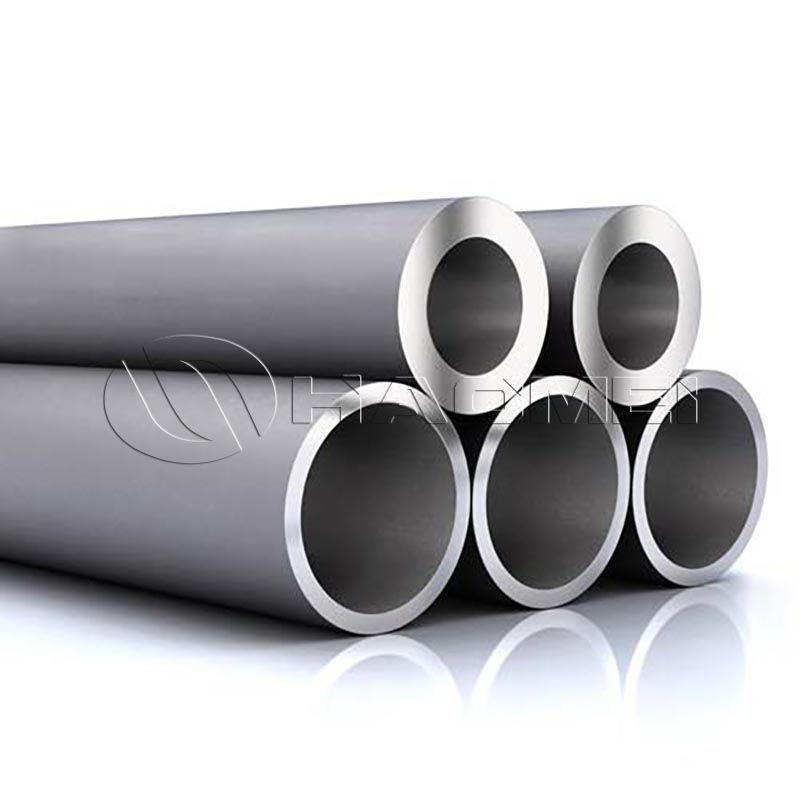
In terms of unit price by weight, 316L is usually the least expensive, 2205 is in the middle, and 2507 is the most expensive. However, actual market pricing of 2205/2507 stainless steel round tubes depends on nickel, molybdenum, and chromium prices, as well as pipe size, certification requirements, purchase volume, and delivery schedule.
3. Fabrication and Installation Cost
316L
Welding, cutting, and forming processes for high performance ss 316 pipe are well-established; fittings and welding consumables are readily available, and construction costs are generally the lowest.
However, 316L is susceptible to pitting and crevice corrosion in environments involving prolonged seawater immersion, stagnant flow, sediment accumulation, or crevices, posing a higher risk of future maintenance issues.
2205
Welding 2205 requires stricter controls than 316L, specifically regarding heat input, interpass temperature, and the matching of welding consumables.
Nevertheless, for shipyards experienced in working with duplex stainless steel, the fabrication costs for 2205 are usually acceptable, making it a balanced choice in terms of performance and cost.
2507
2507 is an expensive material that demands the highest standards for welding and quality control. Lead times for specialized fittings, thick-walled pipes, and large-diameter products can be lengthy.
Consequently, 2507 entails not only a higher purchase price but also increased costs for installation, inspection, and potential rework.
4. Total Life-Cycle Cost is More Important
Based solely on purchase price, 316L is the cheapest option; however, corrosion-induced leaks in the piping system can lead to maintenance expenses, operational downtime, replacement costs, and safety risks.
Total life-cycle cost includes:
[Material costs + Installation costs + Inspection costs + Maintenance costs + Downtime losses + Replacement costs]
For critical seawater systems, although 2507 requires a higher initial investment, it may prove more economical in the long run by reducing the risk of corrosion-related failures.
5. How to Select the Most Cost-Effective Material
A practical principle is:
Do not select materials only by grade. Select them according to corrosion risk and the consequences of failure.
When 316L May Be Considered
316L may be suitable for relatively mild conditions, subject to a specific corrosion assessment:
Non-seawater or low-chloride media;
Indoor and dry environments;
Systems with short-term seawater exposure that can be fully drained and flushed;
Auxiliary lines that are easy to inspect and repair, with low failure consequences;
Low-temperature locations without significant deposits or crevice risks.
When 2205 Should Be Prioritized
2205 is generally suitable for:
General seawater cooling piping;
Ballast water systems;
Fire main lines and seawater branches;
Seawater piping near the ship side;
Projects requiring higher strength and corrosion resistance while maintaining reasonable cost;
Most general seawater service piping on medium and large vessels and offshore units.
In many projects, 2205 is an effective alternative to 316L for seawater applications.
When 2507 Should Be Evaluated as a Priority
2507 is more suitable for:
Warm seawater systems;
Seawater desalination and reverse-osmosis brine systems;
High-chloride corrosion zones associated with seawater scrubber systems;
Seawater piping with long-term immersion, low flow velocity, or high deposit risk;
Offshore platforms, FPSOs, and locations where maintenance costs are extremely high;
Critical piping where failure could result in major safety, environmental, or production losses;
Systems with clear requirements for high pitting, crevice corrosion, and stress corrosion resistance.
Original source: https://www.marinesteelpipe.com/a/cost-comparison-of-316l-duplex-2205-and-super-duplex-2507-pipes.html
Prev: 2-inch 304 Stainless Pipe Welded VS Seamless
Next: Stainless Steel Tubing Suppliers
Related Product
In the fields of shipbuilding and marine engineering, 316L, 2205, and 2507 are commonly used for piping systems involving seawater cooling, ballast water, fire protection, desulfurization, and desalination. While their procurement costs differ, more importantly, they also vary in terms of corrosion resistance, installation complexity, and long-term maintenance costs.
1. Basic Characteristics of the Three Materials
The Pitting Resistance Equivalent Number, or PREN, is often used as an initial indicator of a material's resistance to chloride-induced corrosion:
Material | Common Grade | Microstructure | Main Advantages | Typical Limitations |
316L | UNS S31603 / 1.4404 | Austenitic stainless steel | Mature supply chain, easy welding and fabrication | Limited resistance in high-chloride, crevice, and stagnant seawater conditions |
2205 | UNS S32205 / S31803 / 1.4462 | Duplex stainless steel | High strength; better pitting and stress corrosion resistance than 316L | Requires tighter welding and heat input control |
2507 | UNS S32750 / 1.4410 | Super duplex stainless steel | Excellent resistance to seawater corrosion, pitting, and crevice corrosion | Higher cost, longer lead times, and stricter fabrication requirements |
316L: PREN approximately 24–26
2205: PREN approximately 34–36
2507: PREN generally ≥40
A higher PREN generally indicates better resistance to pitting and crevice corrosion in chloride-containing environments. For piping exposed to natural seawater, warm seawater, deposits, or crevice conditions, 2507 offers a particularly clear advantage.
2. Initial Material Procurement Cost Comparison
In terms of unit price by weight, 316L is usually the least expensive, 2205 is in the middle, and 2507 is the most expensive. However, actual market pricing of 2205/2507 stainless steel round tubes depends on nickel, molybdenum, and chromium prices, as well as pipe size, certification requirements, purchase volume, and delivery schedule.
3. Fabrication and Installation Cost
316L
Welding, cutting, and forming processes for high performance ss 316 pipe are well-established; fittings and welding consumables are readily available, and construction costs are generally the lowest.
However, 316L is susceptible to pitting and crevice corrosion in environments involving prolonged seawater immersion, stagnant flow, sediment accumulation, or crevices, posing a higher risk of future maintenance issues.
2205
Welding 2205 requires stricter controls than 316L, specifically regarding heat input, interpass temperature, and the matching of welding consumables.
Nevertheless, for shipyards experienced in working with duplex stainless steel, the fabrication costs for 2205 are usually acceptable, making it a balanced choice in terms of performance and cost.
2507
2507 is an expensive material that demands the highest standards for welding and quality control. Lead times for specialized fittings, thick-walled pipes, and large-diameter products can be lengthy.
Consequently, 2507 entails not only a higher purchase price but also increased costs for installation, inspection, and potential rework.
4. Total Life-Cycle Cost is More Important
Based solely on purchase price, 316L is the cheapest option; however, corrosion-induced leaks in the piping system can lead to maintenance expenses, operational downtime, replacement costs, and safety risks.
Total life-cycle cost includes:
[Material costs + Installation costs + Inspection costs + Maintenance costs + Downtime losses + Replacement costs]
For critical seawater systems, although 2507 requires a higher initial investment, it may prove more economical in the long run by reducing the risk of corrosion-related failures.
5. How to Select the Most Cost-Effective Material
A practical principle is:
Do not select materials only by grade. Select them according to corrosion risk and the consequences of failure.
When 316L May Be Considered
316L may be suitable for relatively mild conditions, subject to a specific corrosion assessment:
Non-seawater or low-chloride media;
Indoor and dry environments;
Systems with short-term seawater exposure that can be fully drained and flushed;
Auxiliary lines that are easy to inspect and repair, with low failure consequences;
Low-temperature locations without significant deposits or crevice risks.
When 2205 Should Be Prioritized
2205 is generally suitable for:
General seawater cooling piping;
Ballast water systems;
Fire main lines and seawater branches;
Seawater piping near the ship side;
Projects requiring higher strength and corrosion resistance while maintaining reasonable cost;
Most general seawater service piping on medium and large vessels and offshore units.
In many projects, 2205 is an effective alternative to 316L for seawater applications.
When 2507 Should Be Evaluated as a Priority
2507 is more suitable for:
Warm seawater systems;
Seawater desalination and reverse-osmosis brine systems;
High-chloride corrosion zones associated with seawater scrubber systems;
Seawater piping with long-term immersion, low flow velocity, or high deposit risk;
Offshore platforms, FPSOs, and locations where maintenance costs are extremely high;
Critical piping where failure could result in major safety, environmental, or production losses;
Systems with clear requirements for high pitting, crevice corrosion, and stress corrosion resistance.