What Are Sea Water Pipe Materials in Ship
Seawater piping is one of the most important systems on a ship. It supplies cooling water to engines, carries water for fire-fighting systems, supports ballast operations, serves deck washing equipment, and may be used in desalination or other auxiliary services. Because seawater contains salt, oxygen, microorganisms, sand, and other corrosive elements, pipe material selection has a direct impact on vessel safety, maintenance cost, and service life.
The best seawater pipe material depends on operating pressure, pipe diameter, temperature, flow speed, location on board, classification society rules, and budget. Shipbuilders must balance corrosion resistance, mechanical strength, weight, ease of fabrication, and long-term reliability.
Carbon steel pipes
Carbon steel has traditionally been widely used in marine piping because it is strong, affordable, and easy to weld. It is often selected for large sections of ballast, bilge, fire main, and seawater systems, particularly when the pipes are protected internally and externally.
However, unprotected carbon steel corrodes quickly in seawater. To improve its performance, shipyards may use galvanizing, epoxy coatings, rubber linings, cement linings, or corrosion allowance in the pipe wall thickness. Internal coatings can slow corrosion, but damage during installation or maintenance may create local corrosion points. For this reason, carbon steel is generally less suitable for high-velocity seawater lines or systems where clean water quality is essential.
Stainless steel pipes
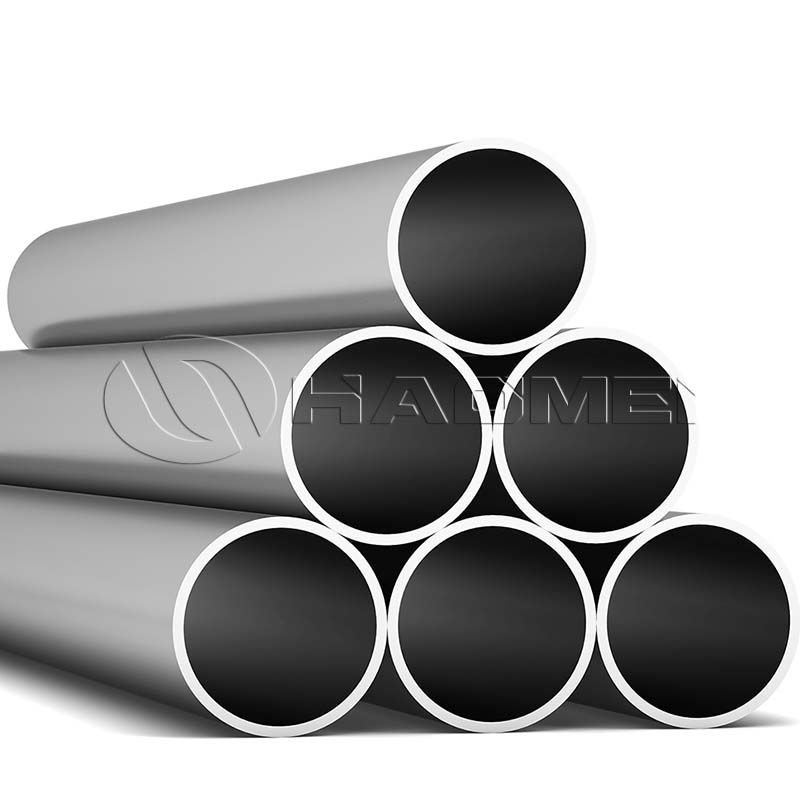
Stainless steel is a popular option for critical seawater services because of its excellent corrosion resistance and clean internal surface. Grades such as 316L may be used in less demanding applications, while duplex stainless steels and super duplex stainless steels are preferred for more aggressive marine environments.
A large diameter stainless steel tube can be especially useful in major seawater cooling circuits, offshore vessels, pump rooms, and high-capacity intake or discharge lines. Duplex materials offer higher strength than standard austenitic stainless steels, allowing designers to reduce wall thickness in some cases. They also provide strong resistance to chloride stress corrosion cracking and pitting.
Still, not every stainless steel grade is suitable for direct exposure to seawater. Low-alloy grades may suffer from crevice corrosion or pitting in stagnant conditions. Proper material grade selection, welding procedure control, pickling, passivation, and system design are necessary to achieve long service life.
Copper-nickel alloy pipes
Copper-nickel alloys, especially 90/10 and 70/30 copper-nickel, have a long history in shipbuilding. These materials are highly resistant to seawater corrosion and offer excellent resistance to biofouling. Over time, they develop a protective surface film that improves their durability in marine service.
Copper-nickel piping is commonly used for seawater cooling systems, fire-fighting lines, condensers, heat exchangers, and desalination plants. It performs well in flowing seawater and is particularly valuable where marine growth could reduce pipe capacity or damage equipment.
The main disadvantage is cost. Copper-nickel alloys are more expensive than carbon steel and many non-metallic alternatives. Their installation also requires skilled welding or brazing practices. Nevertheless, the reduced maintenance requirements and long operating life often justify the initial investment for high-value vessels.
Aluminum and aluminum alloy pipes
Aluminum is lightweight and widely used in fast ferries, naval vessels, yachts, and other ships where weight reduction is a major priority. In certain low-pressure utility systems, aluminum piping for water can offer practical benefits, including easy handling and good resistance to atmospheric corrosion.
However, aluminum must be carefully evaluated before being used in direct seawater service. It can experience galvanic corrosion when connected to more noble metals such as copper alloys or stainless steel. Protective insulation, suitable coatings, and correct selection of fittings are therefore essential. Aluminum is generally more appropriate for freshwater, drainage, or non-critical auxiliary applications than for highly demanding seawater circulation lines.
Plastic and composite piping
Non-metallic materials are becoming increasingly common in modern shipbuilding. Common choices include PVC, CPVC, HDPE, GRE, GRP, and other fiber-reinforced composite pipes. These materials have excellent corrosion resistance and do not rust in seawater.
GRE and GRP pipes are frequently used in ballast, seawater, drainage, sanitary, and fire-fighting systems. They are lightweight, have smooth internal surfaces, and can reduce installation time. Their corrosion-free nature makes them attractive for vessels operating in warm or highly saline waters.
However, plastic and composite pipes have limitations. They may have lower mechanical strength than metal pipes, and their temperature and pressure ratings must be checked carefully. Fire performance is also a major consideration. Marine regulations may require fire-resistant construction, special insulation, or restrictions on the use of non-metallic pipes in machinery spaces and essential safety systems.
Material selection considerations
Choosing seawater piping material involves more than comparing corrosion resistance. Designers should consider:
Seawater temperature and salinity
Flow velocity and erosion-corrosion risk
Operating pressure and temperature
Pipe size and installation space
Compatibility with valves, pumps, and fittings
Fire safety requirements
Classification society approvals
Repair methods and availability of spare materials
Lifecycle cost rather than purchase price alone
For example, carbon steel may be economical for a large, low-pressure ballast line with suitable coating protection. Copper-nickel may be ideal for a long-life cooling system. Duplex stainless steel may suit compact, high-pressure, high-flow applications. Composite piping may provide the best solution where corrosion resistance and low weight are the main priorities.
Conclusion
There is no single best material for every seawater pipe on a ship. Carbon steel, stainless steel, copper-nickel, aluminum alloys, and composite materials all have specific advantages and limitations. The correct choice depends on the vessel type, system function, operating environment, regulatory requirements, and expected maintenance strategy.
By selecting suitable materials and combining them with proper design, installation, coating, and inspection practices, shipowners can reduce corrosion failures, improve system reliability, and extend the service life of onboard seawater piping systems.
Original source: https://www.marinesteelpipe.com/a/what-are-sea-water-pipe-materials-in-ship.html
Prev: Stainless Steel Tubing Manufacturers
Related Product
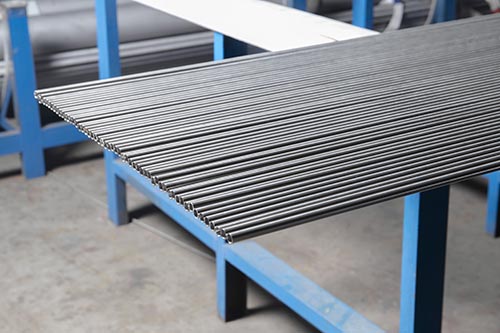
Seawater piping is one of the most important systems on a ship. It supplies cooling water to engines, carries water for fire-fighting systems, supports ballast operations, serves deck washing equipment, and may be used in desalination or other auxiliary services. Because seawater contains salt, oxygen, microorganisms, sand, and other corrosive elements, pipe material selection has a direct impact on vessel safety, maintenance cost, and service life.
The best seawater pipe material depends on operating pressure, pipe diameter, temperature, flow speed, location on board, classification society rules, and budget. Shipbuilders must balance corrosion resistance, mechanical strength, weight, ease of fabrication, and long-term reliability.
Carbon steel pipes
Carbon steel has traditionally been widely used in marine piping because it is strong, affordable, and easy to weld. It is often selected for large sections of ballast, bilge, fire main, and seawater systems, particularly when the pipes are protected internally and externally.
However, unprotected carbon steel corrodes quickly in seawater. To improve its performance, shipyards may use galvanizing, epoxy coatings, rubber linings, cement linings, or corrosion allowance in the pipe wall thickness. Internal coatings can slow corrosion, but damage during installation or maintenance may create local corrosion points. For this reason, carbon steel is generally less suitable for high-velocity seawater lines or systems where clean water quality is essential.
Stainless steel pipes
Stainless steel is a popular option for critical seawater services because of its excellent corrosion resistance and clean internal surface. Grades such as 316L may be used in less demanding applications, while duplex stainless steels and super duplex stainless steels are preferred for more aggressive marine environments.
A large diameter stainless steel tube can be especially useful in major seawater cooling circuits, offshore vessels, pump rooms, and high-capacity intake or discharge lines. Duplex materials offer higher strength than standard austenitic stainless steels, allowing designers to reduce wall thickness in some cases. They also provide strong resistance to chloride stress corrosion cracking and pitting.
Still, not every stainless steel grade is suitable for direct exposure to seawater. Low-alloy grades may suffer from crevice corrosion or pitting in stagnant conditions. Proper material grade selection, welding procedure control, pickling, passivation, and system design are necessary to achieve long service life.
Copper-nickel alloy pipes
Copper-nickel alloys, especially 90/10 and 70/30 copper-nickel, have a long history in shipbuilding. These materials are highly resistant to seawater corrosion and offer excellent resistance to biofouling. Over time, they develop a protective surface film that improves their durability in marine service.
Copper-nickel piping is commonly used for seawater cooling systems, fire-fighting lines, condensers, heat exchangers, and desalination plants. It performs well in flowing seawater and is particularly valuable where marine growth could reduce pipe capacity or damage equipment.
The main disadvantage is cost. Copper-nickel alloys are more expensive than carbon steel and many non-metallic alternatives. Their installation also requires skilled welding or brazing practices. Nevertheless, the reduced maintenance requirements and long operating life often justify the initial investment for high-value vessels.
Aluminum and aluminum alloy pipes
Aluminum is lightweight and widely used in fast ferries, naval vessels, yachts, and other ships where weight reduction is a major priority. In certain low-pressure utility systems, aluminum piping for water can offer practical benefits, including easy handling and good resistance to atmospheric corrosion.
However, aluminum must be carefully evaluated before being used in direct seawater service. It can experience galvanic corrosion when connected to more noble metals such as copper alloys or stainless steel. Protective insulation, suitable coatings, and correct selection of fittings are therefore essential. Aluminum is generally more appropriate for freshwater, drainage, or non-critical auxiliary applications than for highly demanding seawater circulation lines.
Plastic and composite piping
Non-metallic materials are becoming increasingly common in modern shipbuilding. Common choices include PVC, CPVC, HDPE, GRE, GRP, and other fiber-reinforced composite pipes. These materials have excellent corrosion resistance and do not rust in seawater.
GRE and GRP pipes are frequently used in ballast, seawater, drainage, sanitary, and fire-fighting systems. They are lightweight, have smooth internal surfaces, and can reduce installation time. Their corrosion-free nature makes them attractive for vessels operating in warm or highly saline waters.
However, plastic and composite pipes have limitations. They may have lower mechanical strength than metal pipes, and their temperature and pressure ratings must be checked carefully. Fire performance is also a major consideration. Marine regulations may require fire-resistant construction, special insulation, or restrictions on the use of non-metallic pipes in machinery spaces and essential safety systems.
Material selection considerations
Choosing seawater piping material involves more than comparing corrosion resistance. Designers should consider:
Seawater temperature and salinity
Flow velocity and erosion-corrosion risk
Operating pressure and temperature
Pipe size and installation space
Compatibility with valves, pumps, and fittings
Fire safety requirements
Classification society approvals
Repair methods and availability of spare materials
Lifecycle cost rather than purchase price alone
For example, carbon steel may be economical for a large, low-pressure ballast line with suitable coating protection. Copper-nickel may be ideal for a long-life cooling system. Duplex stainless steel may suit compact, high-pressure, high-flow applications. Composite piping may provide the best solution where corrosion resistance and low weight are the main priorities.
Conclusion
There is no single best material for every seawater pipe on a ship. Carbon steel, stainless steel, copper-nickel, aluminum alloys, and composite materials all have specific advantages and limitations. The correct choice depends on the vessel type, system function, operating environment, regulatory requirements, and expected maintenance strategy.
By selecting suitable materials and combining them with proper design, installation, coating, and inspection practices, shipowners can reduce corrosion failures, improve system reliability, and extend the service life of onboard seawater piping systems.