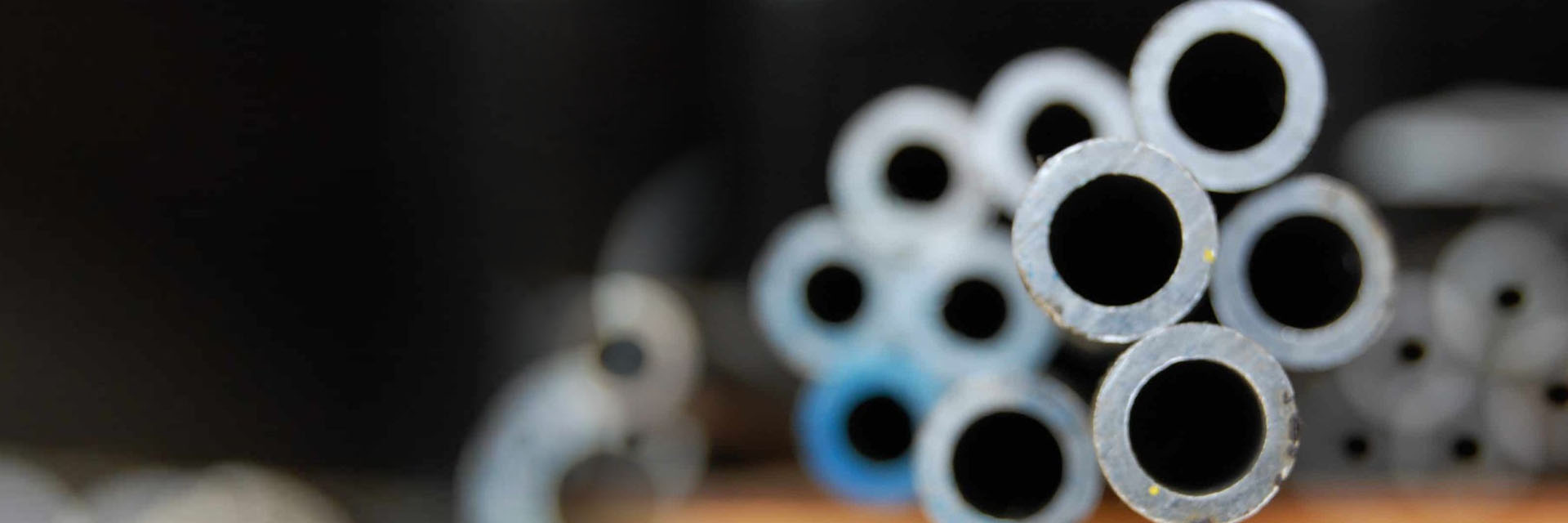
Which Is Better For Marine Use: 304 or 316
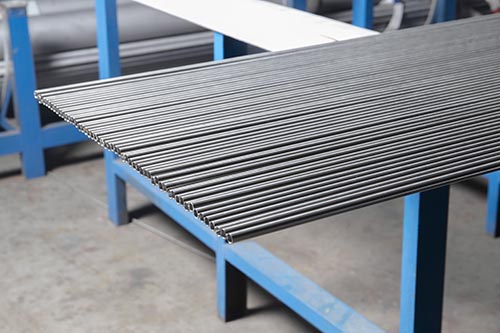
The selection of seamless ss pipe for marine applications must be tailored to the working environment of ships—corrosion resistance, resistance to high and low temperatures, and strong pressure resistance are core requirements. Currently, the mainstream seamless stainless steel pipes for marine applications include 304, 304L, 316, and 316L, with additional special material grades such as 321, 347, 2205, and 904L.
Among them, the 304 and 316 series, due to their balanced performance and reasonable cost, occupy the vast majority of the marine seamless stainless steel pipe market and are the focus of our comparison today.
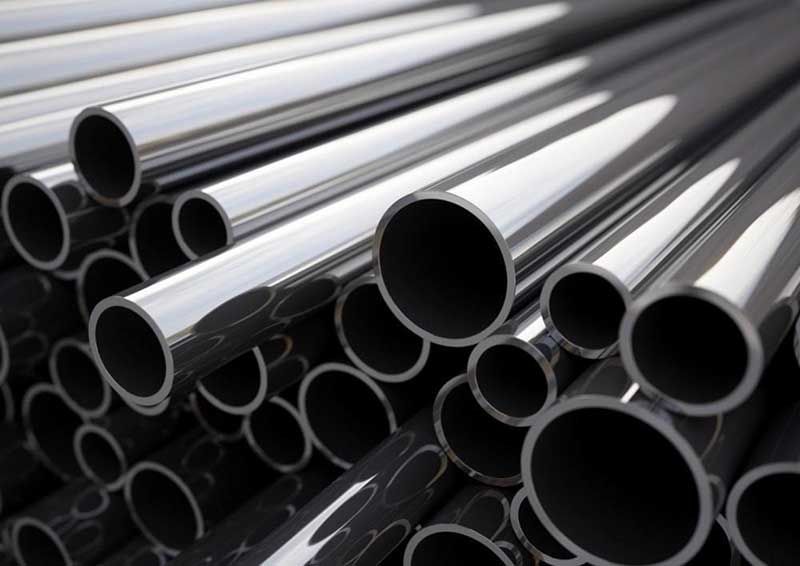
Key Comparison
While both 304 and 316 belong to austenitic stainless steel, slight differences in their chemical composition lead to significant differences in corrosion resistance, mechanical properties, and cost.
1. Chemical Composition
Molybdenum is the most fundamental difference between the two, and the root cause of all subsequent performance differences:
- 304 Stainless Steel Pipe: The core components are 18% chromium + 8% nickel, containing no molybdenum, with a carbon content ≤0.08%. It forms a dense chromium oxide film on the surface, providing basic corrosion protection. It meets ASTM A269 standards and is a food-grade material.
- 316 Stainless Steel Pipe: Based on 304, it adds 2%-3% molybdenum (Mo), while increasing the nickel content to 10%-14%, and the carbon content ≤0.08% (316L is ≤0.03%). The addition of molybdenum allows for a more stable passivation film to form on the stainless steel surface, significantly improving its resistance to chloride ion corrosion, which is its core advantage for adapting to marine environments.
2. Corrosion Resistance
The most critical corrosion threat to ships comes from chloride ion attack in seawater. The difference in corrosion resistance between the two materials is particularly pronounced in this environment:
- 304 Stainless Steel Pipe: Resistant to corrosion from ordinary atmosphere, fresh water, and weak corrosive media, performing reasonably well in near-shore, freshwater shipping. However, with prolonged exposure to seawater or high-salt spray environments, the surface oxide film is easily damaged by chloride ions, leading to pitting and rust. Data shows that it may show corrosion marks in a short period in 3.5% brine, and can only tolerate chloride concentrations below 200 ppm.
- 316 Stainless Steel Pipe: Due to the addition of molybdenum, its resistance to chloride ion corrosion is increased by 3-5 times, and it can tolerate chloride concentrations above 1000 ppm. It shows no significant rust after 72 hours in 3.5% brine. Whether immersed in seawater for extended periods or in contact with marine fuel oil and chemical media, it maintains excellent corrosion resistance, making it particularly suitable for harsh environments such as ocean-going vessels and offshore platforms. Tests show that its service life in marine environments is far longer than that of 304.
3. Mechanical Properties
Marine seamless stainless steel pipes need to withstand loads such as hull vibration and fluid pressure. Both 304 and 316 stainless steel pipes meet conventional marine requirements, with minimal differences:
- 304 stainless steel pipe: Yield strength ≥205MPa, tensile strength ≥515MPa, low-temperature impact toughness up to 120J, maintains good ductility even at -40℃, can withstand dynamic stress under sea state 6, suitable for conventional structures and piping.
- 316 stainless steel pipe: Yield strength and tensile strength are basically the same as 304, but due to the strengthening effect of molybdenum, it has better high-temperature resistance and fatigue resistance, a wider applicable temperature range (up to 1200-1300℃), and exhibits greater stability in high-temperature and high-pressure marine steam pipes and engine cooling systems, with slower strength decay at high temperatures.
4. Cost and Cost-Effectiveness
Cost is a crucial factor in selection. The price difference between the two mainly stems from the scarcity of molybdenum:
- 304 Stainless Steel Pipe: Relatively affordable, 30%-50% cheaper than 316, resulting in lower initial procurement costs. Suitable for ships with limited budgets and mild operating environments.
- 316 Stainless Steel Pipe: Due to the addition of molybdenum, processing is more difficult and raw material costs are higher, making it 30%-50% more expensive than 304. However, in the long run, it boasts stronger corrosion resistance and lower maintenance costs, reducing the frequency of pipe replacement and rust repair. Its overall cost-effectiveness is higher, making it particularly suitable for ocean-going vessels, avoiding safety hazards and additional expenses caused by pipe corrosion.
Marine Application Scenarios: How to Choose Between 304 and 316?
Considering the differences between the two and the usage environment of different parts of the ship, the following selection suggestions are provided to accurately match needs and avoid pitfalls:
Marine Applications of 304 Seamless Stainless Steel Pipes
304 steel pipe is suitable for parts with low corrosion risk and less stringent corrosion resistance requirements, mainly used in:
- Superstructure: Exposed structures such as porthole frames, mast connectors, railings, and handrails. These parts are mainly subject to marine atmospheric corrosion, and the corrosion resistance of 304 meets the requirements. A 2000-ton cargo ship used 304 stainless steel pipes as its support structure, and after 5 years of navigation, the structural integrity rate reached 98%.
- Freshwater related systems: Ship drinking water pipelines and freshwater cooling systems. 304 is non-toxic, hygienic, and has a smooth inner wall, ensuring water quality safety while reducing water flow resistance. After using 304 pipes, the microbial content of the drinking water on a 500-passenger ship was less than 1/3 of the WHO standard.
- Conventional Piping for Near-Coastal/Inland Waterway Vessels: Near-shore and inland waterway vessels operate in relatively mild environments with less seawater corrosion. 304 stainless steel can be used for ballast water pipes and drainage pipes, effectively controlling procurement costs while meeting basic usage requirements.
Marine Applications of 316 Seamless Stainless Steel Pipes
Due to its excellent corrosion resistance, 316 stainless steel is suitable for areas with high corrosion risk and high safety requirements. It is mainly used in:
- Seawater Contact Piping: Marine seawater cooling systems, ballast water pipes, bilge water pipes, etc. These parts are constantly immersed in seawater with high chloride ion concentrations. 316 stainless steel pipe effectively resists pitting and rust. International Maritime Organization (IMO) data shows that 85% of newly built ships use stainless steel pipes for their seawater cooling systems, with a very high proportion of 316 series pipes.
- Fuel Oil/Chemical Media Transportation: Fuel oil transportation pipelines and chemical media pipelines for ocean-going oil tankers and chemical tankers. 316 can withstand the corrosion of fuel oil and chemicals, avoiding leakage risks. A 100,000-ton ocean-going oil tanker used stainless steel pipes to transport fuel oil and experienced no corrosion leaks for 5 years.
- Core components of ocean-going vessels: Ocean-going vessels sail in deep sea and high salt spray environments for a long time. For key hull structures, engine cooling circuits, fire-fighting pipelines, etc., 316 steel pipe is preferred, especially 316L (ultra-low carbon). It is less prone to intergranular corrosion after welding, and the weld quality is more stable, making it suitable for complex working conditions such as low temperature and high temperature.
Original source: https://www.marinesteelpipe.com/a/which-is-better-for-marine-use-304-or-316.html
Prev: Which One to Choose: Stainless Steel or Aluminum Pipe
Next: Seamless SS Pipe VS Welded Steel Tube
Related Product
The selection of seamless ss pipe for marine applications must be tailored to the working environment of ships—corrosion resistance, resistance to high and low temperatures, and strong pressure resistance are core requirements. Currently, the mainstream seamless stainless steel pipes for marine applications include 304, 304L, 316, and 316L, with additional special material grades such as 321, 347, 2205, and 904L.
Among them, the 304 and 316 series, due to their balanced performance and reasonable cost, occupy the vast majority of the marine seamless stainless steel pipe market and are the focus of our comparison today.
Key Comparison
While both 304 and 316 belong to austenitic stainless steel, slight differences in their chemical composition lead to significant differences in corrosion resistance, mechanical properties, and cost.
1. Chemical Composition
Molybdenum is the most fundamental difference between the two, and the root cause of all subsequent performance differences:
- 304 Stainless Steel Pipe: The core components are 18% chromium + 8% nickel, containing no molybdenum, with a carbon content ≤0.08%. It forms a dense chromium oxide film on the surface, providing basic corrosion protection. It meets ASTM A269 standards and is a food-grade material.
- 316 Stainless Steel Pipe: Based on 304, it adds 2%-3% molybdenum (Mo), while increasing the nickel content to 10%-14%, and the carbon content ≤0.08% (316L is ≤0.03%). The addition of molybdenum allows for a more stable passivation film to form on the stainless steel surface, significantly improving its resistance to chloride ion corrosion, which is its core advantage for adapting to marine environments.
2. Corrosion Resistance
The most critical corrosion threat to ships comes from chloride ion attack in seawater. The difference in corrosion resistance between the two materials is particularly pronounced in this environment:
- 304 Stainless Steel Pipe: Resistant to corrosion from ordinary atmosphere, fresh water, and weak corrosive media, performing reasonably well in near-shore, freshwater shipping. However, with prolonged exposure to seawater or high-salt spray environments, the surface oxide film is easily damaged by chloride ions, leading to pitting and rust. Data shows that it may show corrosion marks in a short period in 3.5% brine, and can only tolerate chloride concentrations below 200 ppm.
- 316 Stainless Steel Pipe: Due to the addition of molybdenum, its resistance to chloride ion corrosion is increased by 3-5 times, and it can tolerate chloride concentrations above 1000 ppm. It shows no significant rust after 72 hours in 3.5% brine. Whether immersed in seawater for extended periods or in contact with marine fuel oil and chemical media, it maintains excellent corrosion resistance, making it particularly suitable for harsh environments such as ocean-going vessels and offshore platforms. Tests show that its service life in marine environments is far longer than that of 304.
3. Mechanical Properties
Marine seamless stainless steel pipes need to withstand loads such as hull vibration and fluid pressure. Both 304 and 316 stainless steel pipes meet conventional marine requirements, with minimal differences:
- 304 stainless steel pipe: Yield strength ≥205MPa, tensile strength ≥515MPa, low-temperature impact toughness up to 120J, maintains good ductility even at -40℃, can withstand dynamic stress under sea state 6, suitable for conventional structures and piping.
- 316 stainless steel pipe: Yield strength and tensile strength are basically the same as 304, but due to the strengthening effect of molybdenum, it has better high-temperature resistance and fatigue resistance, a wider applicable temperature range (up to 1200-1300℃), and exhibits greater stability in high-temperature and high-pressure marine steam pipes and engine cooling systems, with slower strength decay at high temperatures.
4. Cost and Cost-Effectiveness
Cost is a crucial factor in selection. The price difference between the two mainly stems from the scarcity of molybdenum:
- 304 Stainless Steel Pipe: Relatively affordable, 30%-50% cheaper than 316, resulting in lower initial procurement costs. Suitable for ships with limited budgets and mild operating environments.
- 316 Stainless Steel Pipe: Due to the addition of molybdenum, processing is more difficult and raw material costs are higher, making it 30%-50% more expensive than 304. However, in the long run, it boasts stronger corrosion resistance and lower maintenance costs, reducing the frequency of pipe replacement and rust repair. Its overall cost-effectiveness is higher, making it particularly suitable for ocean-going vessels, avoiding safety hazards and additional expenses caused by pipe corrosion.
Marine Application Scenarios: How to Choose Between 304 and 316?
Considering the differences between the two and the usage environment of different parts of the ship, the following selection suggestions are provided to accurately match needs and avoid pitfalls:
Marine Applications of 304 Seamless Stainless Steel Pipes
304 steel pipe is suitable for parts with low corrosion risk and less stringent corrosion resistance requirements, mainly used in:
- Superstructure: Exposed structures such as porthole frames, mast connectors, railings, and handrails. These parts are mainly subject to marine atmospheric corrosion, and the corrosion resistance of 304 meets the requirements. A 2000-ton cargo ship used 304 stainless steel pipes as its support structure, and after 5 years of navigation, the structural integrity rate reached 98%.
- Freshwater related systems: Ship drinking water pipelines and freshwater cooling systems. 304 is non-toxic, hygienic, and has a smooth inner wall, ensuring water quality safety while reducing water flow resistance. After using 304 pipes, the microbial content of the drinking water on a 500-passenger ship was less than 1/3 of the WHO standard.
- Conventional Piping for Near-Coastal/Inland Waterway Vessels: Near-shore and inland waterway vessels operate in relatively mild environments with less seawater corrosion. 304 stainless steel can be used for ballast water pipes and drainage pipes, effectively controlling procurement costs while meeting basic usage requirements.
Marine Applications of 316 Seamless Stainless Steel Pipes
Due to its excellent corrosion resistance, 316 stainless steel is suitable for areas with high corrosion risk and high safety requirements. It is mainly used in:
- Seawater Contact Piping: Marine seawater cooling systems, ballast water pipes, bilge water pipes, etc. These parts are constantly immersed in seawater with high chloride ion concentrations. 316 stainless steel pipe effectively resists pitting and rust. International Maritime Organization (IMO) data shows that 85% of newly built ships use stainless steel pipes for their seawater cooling systems, with a very high proportion of 316 series pipes.
- Fuel Oil/Chemical Media Transportation: Fuel oil transportation pipelines and chemical media pipelines for ocean-going oil tankers and chemical tankers. 316 can withstand the corrosion of fuel oil and chemicals, avoiding leakage risks. A 100,000-ton ocean-going oil tanker used stainless steel pipes to transport fuel oil and experienced no corrosion leaks for 5 years.
- Core components of ocean-going vessels: Ocean-going vessels sail in deep sea and high salt spray environments for a long time. For key hull structures, engine cooling circuits, fire-fighting pipelines, etc., 316 steel pipe is preferred, especially 316L (ultra-low carbon). It is less prone to intergranular corrosion after welding, and the weld quality is more stable, making it suitable for complex working conditions such as low temperature and high temperature.