Which One to Choose: Stainless Steel or Aluminum Pipe
In shipbuilding, piping systems are the "blood vessels" ensuring navigational safety and stable equipment operation. Stainless steel and aluminum pipes are two mainstream materials, each suited to different working conditions due to performance differences.
Comprehensive Comparison of Core Characteristics
1. Corrosion Resistance
Stainless steel tubes and pipes: Primarily grades such as 304 and 316L have a dense oxide film on the surface resisting acid, alkali, and salt spray corrosion. 316L offers superior resistance to seawater corrosion, making it suitable for harsh marine environments such as high salinity and high humidity.
Aluminum Pipes: The natural oxide film can resist freshwater and atmospheric corrosion, but its resistance to strong acids and alkalis and long-term seawater immersion is weak. Anodizing and electrophoresis treatments are needed to improve protection. Caution should be exercised when using aluminum pipes in splash zones or highly corrosive environments.
2. Mechanical Strength and Pressure Resistance
Stainless Steel Pipes: Tensile strength exceeds 500MPa, with excellent yield strength. It can withstand high pressure (≥20Bar) and high temperatures, with a long-term operating temperature range of -270℃ to 600℃, suitable for high-pressure steam and heavy equipment piping.
Aluminum Tubes: Tensile strength approximately 276 MPa, lower than stainless steel, but with a superior specific strength (strength/density). Its density is only 1/3 that of stainless steel, making it suitable for lightweight applications.
3. Weight and Installation Costs
Stainless Steel Tubes: Density 7.8 g/cm³, heavy, requiring heavy equipment for installation, resulting in high labor costs and low construction efficiency.
Aluminum Metal Tubes: Density 2.7 g/cm³, a single 5.8-meter tube weighs less than 5 kg, supports quick-connect fittings, increasing installation efficiency by 2-3 times, and reducing ship weight and energy consumption.
4. High Temperature Resistance and Processing Performance
Stainless Steel Tubes: High temperature resistance, suitable for high-temperature systems such as boilers and superheaters; however, processing is difficult, and welding requires strict process control to avoid intergranular corrosion.
Aluminum Tubes: Long-term operating temperature ≤120℃, it easily softens and deforms at high temperatures and is easy to bend and extrude. It is of low processing cost and suitable for complex piping layouts.
5. Cost and Lifespan
Stainless Steel Pipes: Higher initial material cost, but longer lifespan and maintenance cycle, resulting in a better overall cost in the long run.
Aluminum Pipes: Lower material cost and lighter weight lead to lower transportation and installation costs, but a relatively shorter lifespan, requiring regular inspection for corrosion.
Applicable Scenarios and Typical Marine Applications
1. Scenarios Where Stainless Steel Pipes are Preferred
High Corrosion Environments: Seawater cooling pipes, ballast pipes, and chemical transport pipes for coastal vessels, offshore engineering platforms, and chemical transport ships (such as LNG carriers and chemical tankers). 316L or duplex stainless steel is recommended.
High Pressure and High Temperature Systems: Boiler steam pipes, main engine fuel pipes, and hydraulic system pipes for container ships and bulk carriers. Must meet classification society standards such as GB/T 5312-2025.
Systems with High Hygiene Requirements: Drinking water pipes and food transport pipes for passenger ships and cruise ships. 304/316L stainless steel has no risk of heavy metal leaching, and its smooth inner wall does not easily breed bacteria.
2. Scenarios Where Aluminum Tubing is Preferred
Lightweight Requirements: Vessels such as high-speed boats, yachts, and research vessels. Weight reduction improves speed and load capacity. For example, a certain frigate uses 5083 extruded aluminum tube, reducing weight by 200 tons and increasing speed by 2 knots.
Low- and Medium-Pressure, Normal-Temperature Systems: For freshwater transport pipes, compressed air pipes, and air conditioning ventilation pipes on ordinary cargo ships and fishing vessels, marine aluminum alloy grades such as 5052 and 5083 are recommended.
Installation Efficiency Sensitive Scenarios: For converted ships and rapid construction projects, aluminum tubing allows for weld-free, quick connections, shortening the construction period and reducing costs.
Key Selection Recommendations
1. Material Selection Based on Environment
For high-salt, highly corrosive, high-temperature, and high-pressure environments, choose stainless steel (preferably 316L/duplex steel); for low- and medium-pressure, normal-temperature, and lightweight requirements, choose aluminum tubing (5-series alloys are recommended).
2. Related to Ship Type
Specialty Ships (LNG, Chemical Tankers): Primarily use stainless steel tubing to ensure media safety and corrosion resistance.
High-speed vessels/yachts: Primarily aluminum tubing, while also considering lightweight design and installation efficiency.
Conventional merchant ships: A mix of materials is used depending on system operating conditions; stainless steel is used for high-voltage systems, and aluminum tubing for medium and low-voltage systems.
Compliance with regulations: Export vessels must comply with the regulations of the corresponding classification society (e.g., CCS, ABS, DNV), ensuring that material certifications and construction processes meet standards.
Caution against galvanic corrosion: When connecting aluminum and stainless steel tubing, insulating gaskets must be installed to prevent galvanic corrosion from accelerating aluminum tubing wear.
Original source: https://www.marinesteelpipe.com/a/which-one-to-choose-stainless-steel-or-aluminum-pipe.html
Next: Which Is Better For Marine Use: 304 or 316
Related Product
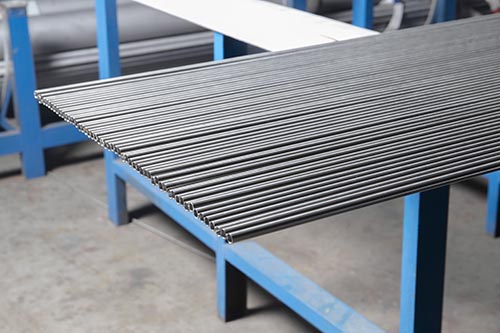
In shipbuilding, piping systems are the "blood vessels" ensuring navigational safety and stable equipment operation. Stainless steel and aluminum pipes are two mainstream materials, each suited to different working conditions due to performance differences.
Comprehensive Comparison of Core Characteristics
1. Corrosion Resistance
Stainless steel tubes and pipes: Primarily grades such as 304 and 316L have a dense oxide film on the surface resisting acid, alkali, and salt spray corrosion. 316L offers superior resistance to seawater corrosion, making it suitable for harsh marine environments such as high salinity and high humidity.
Aluminum Pipes: The natural oxide film can resist freshwater and atmospheric corrosion, but its resistance to strong acids and alkalis and long-term seawater immersion is weak. Anodizing and electrophoresis treatments are needed to improve protection. Caution should be exercised when using aluminum pipes in splash zones or highly corrosive environments.
2. Mechanical Strength and Pressure Resistance
Stainless Steel Pipes: Tensile strength exceeds 500MPa, with excellent yield strength. It can withstand high pressure (≥20Bar) and high temperatures, with a long-term operating temperature range of -270℃ to 600℃, suitable for high-pressure steam and heavy equipment piping.
Aluminum Tubes: Tensile strength approximately 276 MPa, lower than stainless steel, but with a superior specific strength (strength/density). Its density is only 1/3 that of stainless steel, making it suitable for lightweight applications.
3. Weight and Installation Costs
Stainless Steel Tubes: Density 7.8 g/cm³, heavy, requiring heavy equipment for installation, resulting in high labor costs and low construction efficiency.
Aluminum Metal Tubes: Density 2.7 g/cm³, a single 5.8-meter tube weighs less than 5 kg, supports quick-connect fittings, increasing installation efficiency by 2-3 times, and reducing ship weight and energy consumption.
4. High Temperature Resistance and Processing Performance
Stainless Steel Tubes: High temperature resistance, suitable for high-temperature systems such as boilers and superheaters; however, processing is difficult, and welding requires strict process control to avoid intergranular corrosion.
Aluminum Tubes: Long-term operating temperature ≤120℃, it easily softens and deforms at high temperatures and is easy to bend and extrude. It is of low processing cost and suitable for complex piping layouts.
5. Cost and Lifespan
Stainless Steel Pipes: Higher initial material cost, but longer lifespan and maintenance cycle, resulting in a better overall cost in the long run.
Aluminum Pipes: Lower material cost and lighter weight lead to lower transportation and installation costs, but a relatively shorter lifespan, requiring regular inspection for corrosion.
Applicable Scenarios and Typical Marine Applications
1. Scenarios Where Stainless Steel Pipes are Preferred
High Corrosion Environments: Seawater cooling pipes, ballast pipes, and chemical transport pipes for coastal vessels, offshore engineering platforms, and chemical transport ships (such as LNG carriers and chemical tankers). 316L or duplex stainless steel is recommended.
High Pressure and High Temperature Systems: Boiler steam pipes, main engine fuel pipes, and hydraulic system pipes for container ships and bulk carriers. Must meet classification society standards such as GB/T 5312-2025.
Systems with High Hygiene Requirements: Drinking water pipes and food transport pipes for passenger ships and cruise ships. 304/316L stainless steel has no risk of heavy metal leaching, and its smooth inner wall does not easily breed bacteria.
2. Scenarios Where Aluminum Tubing is Preferred
Lightweight Requirements: Vessels such as high-speed boats, yachts, and research vessels. Weight reduction improves speed and load capacity. For example, a certain frigate uses 5083 extruded aluminum tube, reducing weight by 200 tons and increasing speed by 2 knots.
Low- and Medium-Pressure, Normal-Temperature Systems: For freshwater transport pipes, compressed air pipes, and air conditioning ventilation pipes on ordinary cargo ships and fishing vessels, marine aluminum alloy grades such as 5052 and 5083 are recommended.
Installation Efficiency Sensitive Scenarios: For converted ships and rapid construction projects, aluminum tubing allows for weld-free, quick connections, shortening the construction period and reducing costs.
Key Selection Recommendations
1. Material Selection Based on Environment
For high-salt, highly corrosive, high-temperature, and high-pressure environments, choose stainless steel (preferably 316L/duplex steel); for low- and medium-pressure, normal-temperature, and lightweight requirements, choose aluminum tubing (5-series alloys are recommended).
2. Related to Ship Type
Specialty Ships (LNG, Chemical Tankers): Primarily use stainless steel tubing to ensure media safety and corrosion resistance.
High-speed vessels/yachts: Primarily aluminum tubing, while also considering lightweight design and installation efficiency.
Conventional merchant ships: A mix of materials is used depending on system operating conditions; stainless steel is used for high-voltage systems, and aluminum tubing for medium and low-voltage systems.
Compliance with regulations: Export vessels must comply with the regulations of the corresponding classification society (e.g., CCS, ABS, DNV), ensuring that material certifications and construction processes meet standards.
Caution against galvanic corrosion: When connecting aluminum and stainless steel tubing, insulating gaskets must be installed to prevent galvanic corrosion from accelerating aluminum tubing wear.