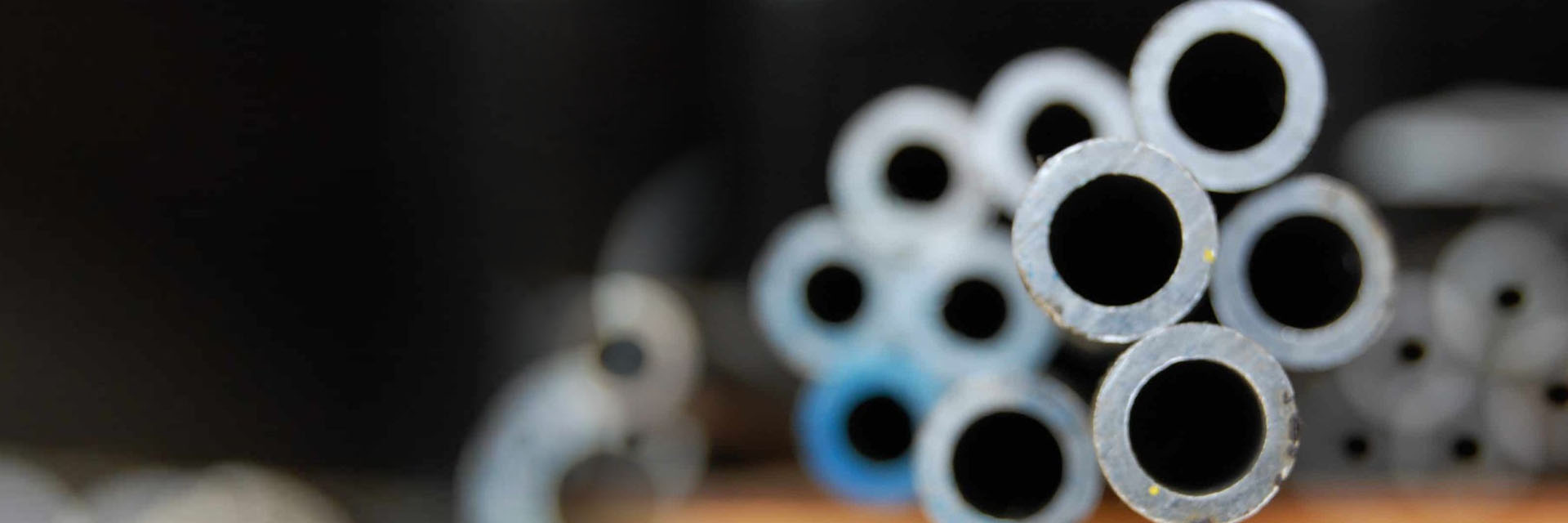
SCH 40 vs SCH 10 pipe wall thickness
SCH is an abbreviation for Schedule, specifically used to distinguish wall thickness differences between steel pipes of the same nominal diameter. A higher SCH number indicates a thicker pipe wall, corresponding to higher strength and pressure resistance. This is the core underlying logic for distinguishing between SCH10 and SCH40.
It is important to note that the wall thickness corresponding to the SCH specification is not a fixed value, but varies with the nominal pipe diameter (NPS/DN). For the same pipe diameter, the wall thickness of SCH40 will always be greater than that of SCH10, and the difference will gradually increase with increasing pipe diameter.
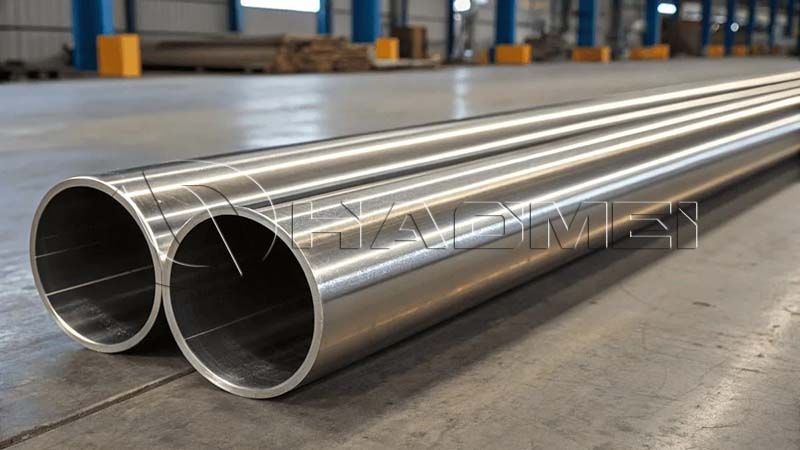
Key Comparison
To make the data more intuitive, we selected the most commonly used pipe diameter specifications in engineering and compiled the standard wall thickness data for the two pipe materials, clearly showing their differences. All parameters conform to national and American engineering standards.
Nominal Diameter (NPS) | Nominal Diameter (DN) | SCH10 Wall Thickness (mm) | SCH40 Wall Thickness (mm) | Wall Thickness Difference (mm) |
2-inch | DN50 | 2.11 | 3.91 | 1.80 |
4-inch | DN100 | 2.77 | 6.02 | 3.25 |
6-inch | DN150 | 2.77 | 7.11 | 4.34 |
8-inch | DN200 | 3.05 | 8.18 | 5.13 |
10-inch | DN250 | 3.40 | 9.27 | 5.87 |
The table data clearly shows that, for the same pipe diameter, the wall thickness of SCH 40 ss pipe is significantly greater than that of SCH10, and the difference becomes more pronounced with larger pipe diameters. The difference is smaller for small-diameter pipes, but for large-diameter pipes, the wall thickness difference directly determines the pipe's pressure resistance and deformation resistance, which is a core basis for project selection.
Wall Thickness Differences
Wall thickness is fundamental to pipe performance. The difference in wall thickness between SCH10 ss pipe and SCH40 directly leads to differences in pressure resistance, weight, durability, and installation difficulty, among other aspects. Specific differences are as follows:
1. Pressure Resistance and Deformation Resistance: SCH40 stainless steel pipes have thicker walls, resulting in greater rigidity and the ability to withstand higher media pressures and external loads. They exhibit excellent impact resistance and deformation resistance, making them less prone to bulging, cracking, and collapse.
SCH10 ss pipe, being a thin-walled pipe, has limited pressure resistance and is only suitable for low-pressure applications. Under high pressure, it is highly susceptible to deformation, posing a safety hazard.
2. Pipe Weight and Installation Difficulty: SCH10 pipes have thinner walls and are lighter, making them easier to handle, lift, and weld, resulting in higher construction efficiency. They also require less weight-bearing capacity from pipe supports and mounting bases, reducing associated construction costs.
SCH40 pipe , due to its greater wall thickness, has a significantly increased weight, requiring more extensive installation work, higher standards for installation techniques and support load-bearing capacity, and a longer construction period.
3. Corrosion Resistance and Service Life: Both pipe materials are made of stainless steel, with similar basic corrosion resistance. However, SCH40 has a thicker wall, allowing for greater wall loss margin even under conditions of slight corrosion and wear. This reduces the likelihood of failure due to wall thinning over long-term use, resulting in a longer service life.
SCH10 stainless pipe, with its thinner wall, has less wear and corrosion resistance margin, making it more susceptible to wall thinning due to slight corrosion after prolonged operation, thus reducing overall pipeline safety.
4. Flow Diameter and Medium Flow Rate: At the same nominal diameter, SCH10's thinner wall allows for a larger inner diameter, providing ample space for medium flow and reducing flow loss. SCH40's thicker wall occupies more internal space, resulting in a slightly smaller inner diameter and a slightly lower flow rate at the same pressure. This is a key reason why SCH10 is preferred for low-pressure, high-flow applications.
How to Choose
1. SCH10 Stainless Steel Pipe
Core Features
Thin wall, light weight, high flow rate and low cost
Suitable for low-pressure, normal-temperature and low-wear working conditions
Application Scenarios
Building water supply and drainage systems
HVAC circulation pipelines and general ventilation ducts
Low-pressure pure water transportation and interior decoration pipelines
Application Advantages
Fully meets the requirements of low-load pipeline scenarios
Effectively controls project costs and improves construction efficiency
2. SCH40 Stainless Steel Pipe
Core Features
Thick wall, high pressure resistance, superior stability and long service life
Applicable for medium-to-high pressure, high/low temperature, corrosive and abrasive harsh conditions
Application Scenarios
Chemical fluid transportation and oil pipelines
Industrial high-pressure water circulation and municipal pressure pipelines
Equipment process pipelines and outdoor deep-buried pipelines
Application Advantages
Maintains stable operation under pressure fluctuation, temperature change and slight medium corrosion
Reduces pipeline failure risks and subsequent maintenance frequency and cost.
Original source: https://www.marinesteelpipe.com/a/sch-40-vs-sch-10-pipe-wall-thickness.html
Prev: What Are Sea-Water Corrosion-Resistant Tubes
Next: What Are Seawater Piping Applications
Related Product
SCH is an abbreviation for Schedule, specifically used to distinguish wall thickness differences between steel pipes of the same nominal diameter. A higher SCH number indicates a thicker pipe wall, corresponding to higher strength and pressure resistance. This is the core underlying logic for distinguishing between SCH10 and SCH40.
It is important to note that the wall thickness corresponding to the SCH specification is not a fixed value, but varies with the nominal pipe diameter (NPS/DN). For the same pipe diameter, the wall thickness of SCH40 will always be greater than that of SCH10, and the difference will gradually increase with increasing pipe diameter.
Key Comparison
To make the data more intuitive, we selected the most commonly used pipe diameter specifications in engineering and compiled the standard wall thickness data for the two pipe materials, clearly showing their differences. All parameters conform to national and American engineering standards.
Nominal Diameter (NPS) | Nominal Diameter (DN) | SCH10 Wall Thickness (mm) | SCH40 Wall Thickness (mm) | Wall Thickness Difference (mm) |
2-inch | DN50 | 2.11 | 3.91 | 1.80 |
4-inch | DN100 | 2.77 | 6.02 | 3.25 |
6-inch | DN150 | 2.77 | 7.11 | 4.34 |
8-inch | DN200 | 3.05 | 8.18 | 5.13 |
10-inch | DN250 | 3.40 | 9.27 | 5.87 |
The table data clearly shows that, for the same pipe diameter, the wall thickness of SCH 40 ss pipe is significantly greater than that of SCH10, and the difference becomes more pronounced with larger pipe diameters. The difference is smaller for small-diameter pipes, but for large-diameter pipes, the wall thickness difference directly determines the pipe's pressure resistance and deformation resistance, which is a core basis for project selection.
Wall Thickness Differences
Wall thickness is fundamental to pipe performance. The difference in wall thickness between SCH10 ss pipe and SCH40 directly leads to differences in pressure resistance, weight, durability, and installation difficulty, among other aspects. Specific differences are as follows:
1. Pressure Resistance and Deformation Resistance: SCH40 stainless steel pipes have thicker walls, resulting in greater rigidity and the ability to withstand higher media pressures and external loads. They exhibit excellent impact resistance and deformation resistance, making them less prone to bulging, cracking, and collapse.
SCH10 ss pipe, being a thin-walled pipe, has limited pressure resistance and is only suitable for low-pressure applications. Under high pressure, it is highly susceptible to deformation, posing a safety hazard.
2. Pipe Weight and Installation Difficulty: SCH10 pipes have thinner walls and are lighter, making them easier to handle, lift, and weld, resulting in higher construction efficiency. They also require less weight-bearing capacity from pipe supports and mounting bases, reducing associated construction costs.
SCH40 pipe , due to its greater wall thickness, has a significantly increased weight, requiring more extensive installation work, higher standards for installation techniques and support load-bearing capacity, and a longer construction period.
3. Corrosion Resistance and Service Life: Both pipe materials are made of stainless steel, with similar basic corrosion resistance. However, SCH40 has a thicker wall, allowing for greater wall loss margin even under conditions of slight corrosion and wear. This reduces the likelihood of failure due to wall thinning over long-term use, resulting in a longer service life.
SCH10 stainless pipe, with its thinner wall, has less wear and corrosion resistance margin, making it more susceptible to wall thinning due to slight corrosion after prolonged operation, thus reducing overall pipeline safety.
4. Flow Diameter and Medium Flow Rate: At the same nominal diameter, SCH10's thinner wall allows for a larger inner diameter, providing ample space for medium flow and reducing flow loss. SCH40's thicker wall occupies more internal space, resulting in a slightly smaller inner diameter and a slightly lower flow rate at the same pressure. This is a key reason why SCH10 is preferred for low-pressure, high-flow applications.
How to Choose
1. SCH10 Stainless Steel Pipe
Core Features
Thin wall, light weight, high flow rate and low cost
Suitable for low-pressure, normal-temperature and low-wear working conditions
Application Scenarios
Building water supply and drainage systems
HVAC circulation pipelines and general ventilation ducts
Low-pressure pure water transportation and interior decoration pipelines
Application Advantages
Fully meets the requirements of low-load pipeline scenarios
Effectively controls project costs and improves construction efficiency
2. SCH40 Stainless Steel Pipe
Core Features
Thick wall, high pressure resistance, superior stability and long service life
Applicable for medium-to-high pressure, high/low temperature, corrosive and abrasive harsh conditions
Application Scenarios
Chemical fluid transportation and oil pipelines
Industrial high-pressure water circulation and municipal pressure pipelines
Equipment process pipelines and outdoor deep-buried pipelines
Application Advantages
Maintains stable operation under pressure fluctuation, temperature change and slight medium corrosion
Reduces pipeline failure risks and subsequent maintenance frequency and cost.