What Are Sea-Water Corrosion-Resistant Tubes
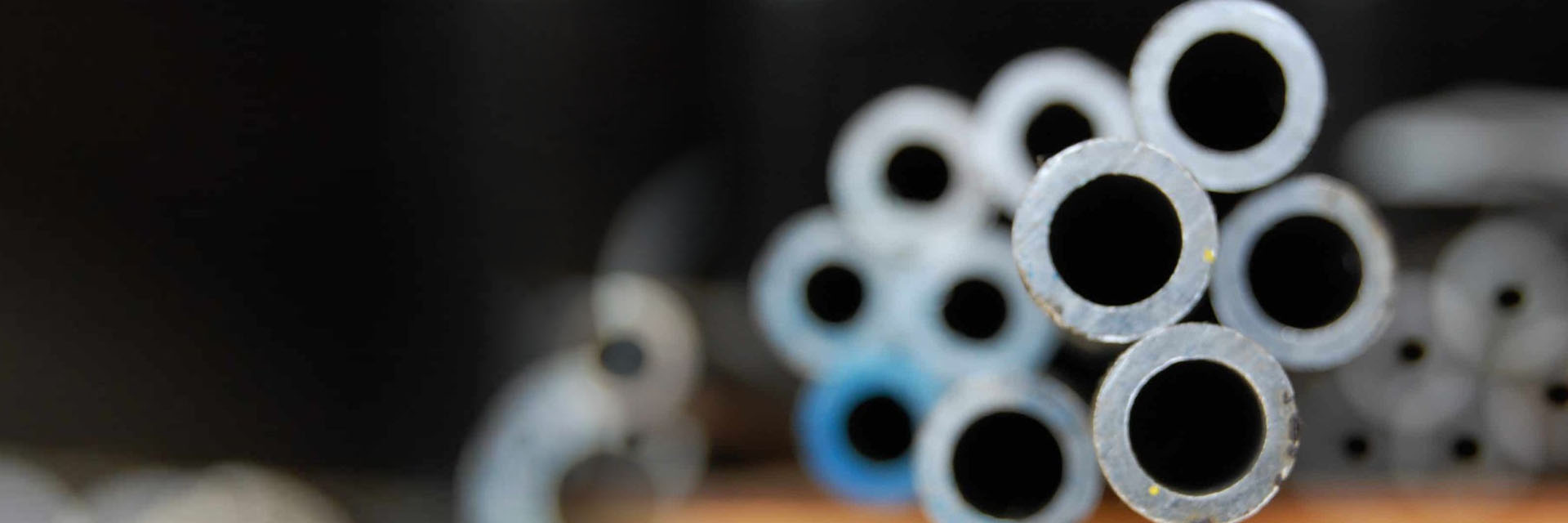
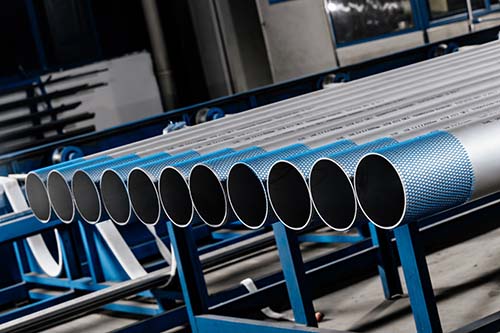
Seawater corrosion-resistant pipes are specialized pipe materials adapted to seawater and high-salt-fog coastal environments. They can withstand complex seawater corrosion and stably transport seawater media over long periods.
Unlike ordinary pipes, these pipes are specifically developed and manufactured to address the corrosive characteristics of marine environments. Their core function is to prevent seawater from eroding the pipe walls, extending the pipe's service life and ensuring the stable operation of various processes such as seawater transportation, heat exchange, and sewage discharge.
Seawater is far more corrosive than ordinary water resources, which is the main reason why ordinary pipes are unsuitable for marine environments. Seawater is rich in various salt ions such as chloride, sodium, and magnesium, with high concentrations of chloride ions being the primary culprit in corroding metal pipes.
Simultaneously, wave erosion, water temperature changes, marine microbial adhesion, and the humid, high-salt-fog coastal air combine to cause electrochemical corrosion, scouring corrosion, and microbial corrosion, significantly shortening the service life of conventional pipes.
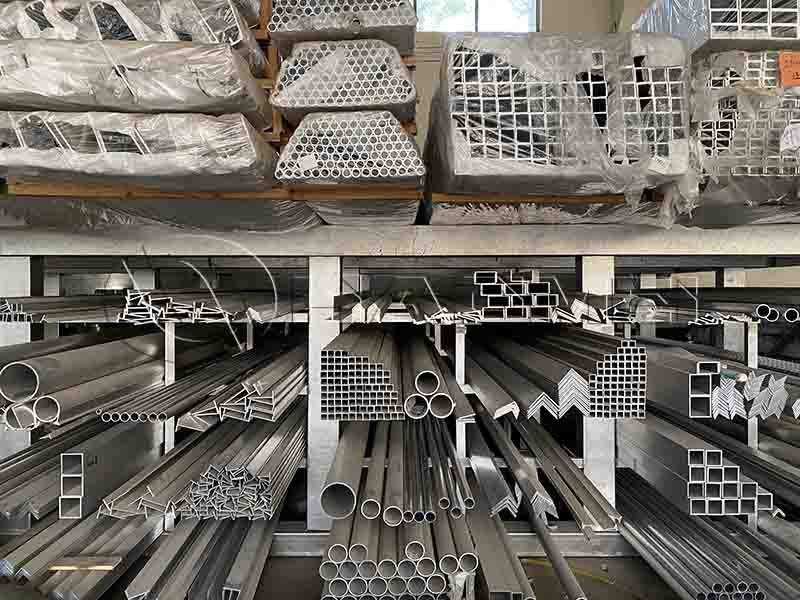
Currently, seawater corrosion-resistant pipes on the market are divided into two main categories: metallic and non-metallic. Metallic pipes dominate due to their high strength, ease of processing, and adaptability to high-pressure conditions. Stainless steel pipes and rust-proof aluminum pipes are core materials for civilian marine projects and small to medium-sized offshore engineering projects.
Seawater Corrosion-Resistant Stainless Steel Pipes
Stainless steel pipes are widely applicable and offer excellent corrosion resistance, making them the preferred material for large-scale seawater desalination, offshore platforms, and high-pressure pipeline projects. Their corrosion resistance relies on the alloying elements such as chromium, nickel, and molybdenum within the material, allowing the pipe surface to autonomously form a dense and stable chromium oxide passivation film. Even if the film is slightly damaged, it can automatically repair itself, effectively isolating chloride ions and resisting electrochemical corrosion.
Different grades of stainless steel pipes have significantly different application scenarios: 304 stainless steel is the basic grade, offering high cost-effectiveness and resistance to mild salt spray and low-concentration seawater corrosion. It is suitable for shoreline water supply and drainage, and mixed seawater-desalination transportation, but cannot come into contact with high-concentration concentrated seawater.
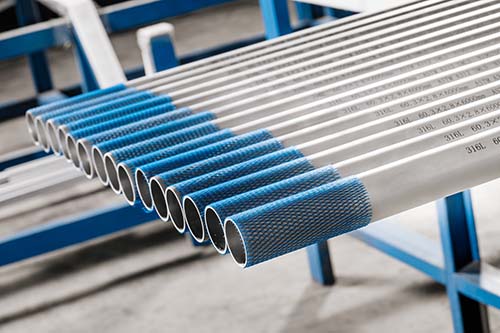
316L stainless steel, with the addition of molybdenum, significantly enhances its resistance to chloride ion corrosion. It is a common grade for both civilian and marine engineering, primarily used in mariculture, small and medium-sized desalination equipment, and ship water supply and drainage pipelines.
2205 duplex stainless steel is a high-end pipe material with top-tier resistance to erosion and high-salt corrosion. It is suitable for high-temperature concentrated seawater and deep-sea high-pressure environments, mainly used in large heat exchange systems and deep-sea drilling platforms. Stainless steel pipes offer high overall strength, high temperature resistance, and a long service life. Their only disadvantage is their relatively high weight and cost of raw materials.
Marine aluminum pipes
Seawater-resistant aluminum pipes are the optimal choice for lightweight marine pipelines. Due to their light weight and high cost-effectiveness, they are widely used in lightweight projects such as small and medium-sized ships and near-shore heat exchange equipment.
Aluminum pipes rely on a thin aluminum oxide film on their surface to isolate corrosive media, but this oxide film is less stable than the passivation film of stainless steel and is not resistant to strong acids, alkalis, or high-concentration stagnant seawater. Therefore, specialized rust-resistant aluminum alloy materials are required for marine applications.
5-series rust-resistant aluminum pipes are the most widely used in marine engineering. Testing shows that this series of pipes has an annual corrosion rate of less than 0.1mm in simulated seawater, meeting the requirements of typical near-shore conditions. High-end 7-series aluminum alloy pipes have excellent tensile strength and are suitable for low- and medium-pressure pipelines on ships.
Compared to stainless steel pipes, aluminum pipes are lighter, easier to install and transport, have excellent thermal conductivity, are more suitable for heat exchange and cooling pipelines, and are less expensive. However, its shortcomings are also quite prominent: poor high-temperature resistance, making it unsuitable for high-pressure, heavy-load, and long-term static high-salinity seawater scenarios.
Pipe Material Selection Recommendations
Project material selection should be decided based on two dimensions: working environment and budget.
For scenarios with sufficient budget and complex working conditions, such as deep-sea high pressure, high-temperature concentrated seawater, and long-term immersion, 316L stainless steel pipes are preferred.
2205 duplex stainless steel pipes can be used for high-end heavy-load projects.
For projects prioritizing lightweight design and cost control, such as near-shore flowing seawater, equipment heat exchange, and lightweight marine pipelines, 5-series rust-resistant aluminum pipes are preferred.
For scenarios involving mild salt spray on shore and mixed seawater/desalination transport, 304 stainless steel is suitable for those with limited budgets, while 316L stainless steel is preferred for those prioritizing long-term stability.
Original source: https://www.marinesteelpipe.com/a/what-are-sea-water-corrosion-resistant-tubes.html
Prev: Stainless Steel Pipe Grades for Marine Applications
Next: SCH 40 vs SCH 10 pipe wall thickness
Related Product
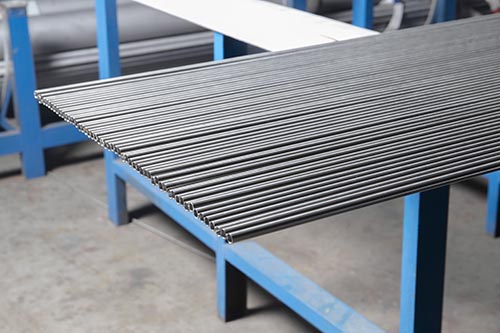
Seawater corrosion-resistant pipes are specialized pipe materials adapted to seawater and high-salt-fog coastal environments. They can withstand complex seawater corrosion and stably transport seawater media over long periods.
Unlike ordinary pipes, these pipes are specifically developed and manufactured to address the corrosive characteristics of marine environments. Their core function is to prevent seawater from eroding the pipe walls, extending the pipe's service life and ensuring the stable operation of various processes such as seawater transportation, heat exchange, and sewage discharge.
Seawater is far more corrosive than ordinary water resources, which is the main reason why ordinary pipes are unsuitable for marine environments. Seawater is rich in various salt ions such as chloride, sodium, and magnesium, with high concentrations of chloride ions being the primary culprit in corroding metal pipes.
Simultaneously, wave erosion, water temperature changes, marine microbial adhesion, and the humid, high-salt-fog coastal air combine to cause electrochemical corrosion, scouring corrosion, and microbial corrosion, significantly shortening the service life of conventional pipes.
Currently, seawater corrosion-resistant pipes on the market are divided into two main categories: metallic and non-metallic. Metallic pipes dominate due to their high strength, ease of processing, and adaptability to high-pressure conditions. Stainless steel pipes and rust-proof aluminum pipes are core materials for civilian marine projects and small to medium-sized offshore engineering projects.
Seawater Corrosion-Resistant Stainless Steel Pipes
Stainless steel pipes are widely applicable and offer excellent corrosion resistance, making them the preferred material for large-scale seawater desalination, offshore platforms, and high-pressure pipeline projects. Their corrosion resistance relies on the alloying elements such as chromium, nickel, and molybdenum within the material, allowing the pipe surface to autonomously form a dense and stable chromium oxide passivation film. Even if the film is slightly damaged, it can automatically repair itself, effectively isolating chloride ions and resisting electrochemical corrosion.
Different grades of stainless steel pipes have significantly different application scenarios: 304 stainless steel is the basic grade, offering high cost-effectiveness and resistance to mild salt spray and low-concentration seawater corrosion. It is suitable for shoreline water supply and drainage, and mixed seawater-desalination transportation, but cannot come into contact with high-concentration concentrated seawater.
316L stainless steel, with the addition of molybdenum, significantly enhances its resistance to chloride ion corrosion. It is a common grade for both civilian and marine engineering, primarily used in mariculture, small and medium-sized desalination equipment, and ship water supply and drainage pipelines.
2205 duplex stainless steel is a high-end pipe material with top-tier resistance to erosion and high-salt corrosion. It is suitable for high-temperature concentrated seawater and deep-sea high-pressure environments, mainly used in large heat exchange systems and deep-sea drilling platforms. Stainless steel pipes offer high overall strength, high temperature resistance, and a long service life. Their only disadvantage is their relatively high weight and cost of raw materials.
Marine aluminum pipes
Seawater-resistant aluminum pipes are the optimal choice for lightweight marine pipelines. Due to their light weight and high cost-effectiveness, they are widely used in lightweight projects such as small and medium-sized ships and near-shore heat exchange equipment.
Aluminum pipes rely on a thin aluminum oxide film on their surface to isolate corrosive media, but this oxide film is less stable than the passivation film of stainless steel and is not resistant to strong acids, alkalis, or high-concentration stagnant seawater. Therefore, specialized rust-resistant aluminum alloy materials are required for marine applications.
5-series rust-resistant aluminum pipes are the most widely used in marine engineering. Testing shows that this series of pipes has an annual corrosion rate of less than 0.1mm in simulated seawater, meeting the requirements of typical near-shore conditions. High-end 7-series aluminum alloy pipes have excellent tensile strength and are suitable for low- and medium-pressure pipelines on ships.
Compared to stainless steel pipes, aluminum pipes are lighter, easier to install and transport, have excellent thermal conductivity, are more suitable for heat exchange and cooling pipelines, and are less expensive. However, its shortcomings are also quite prominent: poor high-temperature resistance, making it unsuitable for high-pressure, heavy-load, and long-term static high-salinity seawater scenarios.
Pipe Material Selection Recommendations
Project material selection should be decided based on two dimensions: working environment and budget.
For scenarios with sufficient budget and complex working conditions, such as deep-sea high pressure, high-temperature concentrated seawater, and long-term immersion, 316L stainless steel pipes are preferred.
2205 duplex stainless steel pipes can be used for high-end heavy-load projects.
For projects prioritizing lightweight design and cost control, such as near-shore flowing seawater, equipment heat exchange, and lightweight marine pipelines, 5-series rust-resistant aluminum pipes are preferred.
For scenarios involving mild salt spray on shore and mixed seawater/desalination transport, 304 stainless steel is suitable for those with limited budgets, while 316L stainless steel is preferred for those prioritizing long-term stability.