Stainless Steel Pipe Grades for Marine Applications
In the shipbuilding industry, stainless steel pipes have completely replaced traditional carbon steel pipes due to their advantages such as corrosion resistance, high strength, ease of processing, and long service life. Currently, 304, 316, 2205, and 2507 are the most commonly used grades. What are their respective advantages and disadvantages, and what are the differences between them?
I. Austenitic Stainless Steel
1. 304 Stainless Steel Pipes
304 is a general-purpose basic stainless steel, mainly composed of 18% chromium and 8% nickel, and does not contain molybdenum. This material offers high cost-effectiveness, is easy to procure, has excellent toughness and is easy to weld, is essentially non-magnetic, and has excellent resistance to oxidation and freshwater corrosion. It can resist air oxidation, freshwater, and weak acid and alkali corrosion, making it the preferred material for basic pipelines on inland waterway vessels.
Its core drawback is the lack of molybdenum, resulting in poor resistance to chloride ion corrosion and inability to withstand seawater corrosion. It is only suitable for inland waterway transport vessels, freshwater vessels, and dry areas inside near-shore vessels, ventilation ducts, freshwater supply and drainage, fuel oil transmission mains, and other conditions where it does not come into contact with seawater. It is prohibited for use in open seawater pipelines.
2. 316 Stainless Steel Pipes
316 stainless pipe is an upgraded version of 304 and is the standard pipe material for near-shore vessels. This material adds 2%-3% molybdenum to the 304 base and optimizes the nickel-chromium ratio; the low-carbon version, 316L, effectively solves the problem of intergranular corrosion after welding. Molybdenum significantly improves the material's resistance to chloride ions and pitting corrosion, and its seawater corrosion resistance, low-temperature toughness, and fatigue resistance far exceed those of 304, making it suitable for ship vibration conditions and cryogenic pipelines in LNG vessels.
The overall cost of 316 is 20%-30% higher than 304. It is suitable for piping conditions in small and medium-sized near-shore merchant ships and yachts that directly contact seawater, such as seawater cooling, deck washing, and sewage discharge. The disadvantage is that it is difficult to adapt to the harsh environments of deep sea with high salinity and high loads, and is prone to stress corrosion during long-term service.
II. Duplex Stainless Steel
For the extreme marine conditions of deep sea, high corrosion, and high loads, ordinary austenitic stainless steel is insufficient, and duplex stainless steel has emerged as a solution. Both 2205 and 2507 duplex stainless steels possess a dual structure of ferritic and austenitic materials, resulting in high strength and exceptional corrosion resistance. They are widely used in ocean-going vessels and offshore drilling platforms.
1. 2205 Duplex Stainless Steel Pipes
s32205 stainless steel is a standard duplex steel, enriched with alloying elements such as chromium, nickel, molybdenum, and nitrogen. Its yield strength is approximately twice that of 304 and 316, offering excellent impact and deformation resistance, making it suitable for high-pressure piping systems. Its resistance to stress corrosion and crevice corrosion far exceeds that of 316, allowing it to withstand the high-salt, sulfur-containing corrosive seawater environment of deep seas.
This material offers better value for money than high-end duplex steels. Its only drawback is poor high-temperature resistance; temperatures exceeding 300℃ can lead to embrittlement. It is suitable for demanding applications such as ocean-going cargo ships, high-pressure water pipelines on offshore platforms, and highly corrosive wastewater treatment pipelines.
2. 2507 Super Duplex Stainless Steel Pipes
Super duplex 2507 is a high-end super duplex stainless steel with a higher alloy content, offering top-tier overall performance for marine piping. This material encompasses all the advantages of s2205, with comprehensively upgraded strength, corrosion resistance, and wear resistance. It can withstand not only high-salinity deep-sea water but also acidic and sulfide-containing corrosive seawater, making it suitable for extreme deep-sea operating conditions characterized by high intensity and high vibration.
However, its material and processing costs are high, and it is mainly used in the core water supply and drainage systems of ocean-going cruise ships, deep-sea research vessels, military special-purpose vessels, deep-sea drilling platforms, corrosive media transportation pipelines, and high-risk, high-pressure hydraulic pipelines.
Original source: https://www.marinesteelpipe.com/a/stainless-steel-pipe-grades-for-marine-applications.html
Prev: Marine Stainless Steel Pipe vs Carbon Steel Pipe Which Is Better
Next: What Are Sea-Water Corrosion-Resistant Tubes
Related Product
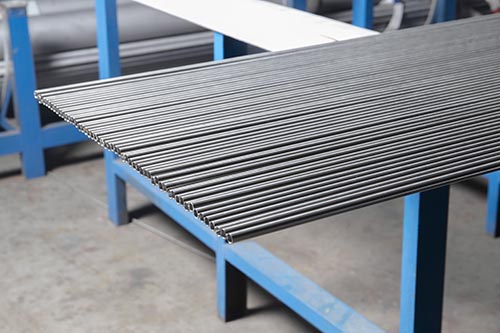
In the shipbuilding industry, stainless steel pipes have completely replaced traditional carbon steel pipes due to their advantages such as corrosion resistance, high strength, ease of processing, and long service life. Currently, 304, 316, 2205, and 2507 are the most commonly used grades. What are their respective advantages and disadvantages, and what are the differences between them?
I. Austenitic Stainless Steel
1. 304 Stainless Steel Pipes
304 is a general-purpose basic stainless steel, mainly composed of 18% chromium and 8% nickel, and does not contain molybdenum. This material offers high cost-effectiveness, is easy to procure, has excellent toughness and is easy to weld, is essentially non-magnetic, and has excellent resistance to oxidation and freshwater corrosion. It can resist air oxidation, freshwater, and weak acid and alkali corrosion, making it the preferred material for basic pipelines on inland waterway vessels.
Its core drawback is the lack of molybdenum, resulting in poor resistance to chloride ion corrosion and inability to withstand seawater corrosion. It is only suitable for inland waterway transport vessels, freshwater vessels, and dry areas inside near-shore vessels, ventilation ducts, freshwater supply and drainage, fuel oil transmission mains, and other conditions where it does not come into contact with seawater. It is prohibited for use in open seawater pipelines.
2. 316 Stainless Steel Pipes
316 stainless pipe is an upgraded version of 304 and is the standard pipe material for near-shore vessels. This material adds 2%-3% molybdenum to the 304 base and optimizes the nickel-chromium ratio; the low-carbon version, 316L, effectively solves the problem of intergranular corrosion after welding. Molybdenum significantly improves the material's resistance to chloride ions and pitting corrosion, and its seawater corrosion resistance, low-temperature toughness, and fatigue resistance far exceed those of 304, making it suitable for ship vibration conditions and cryogenic pipelines in LNG vessels.
The overall cost of 316 is 20%-30% higher than 304. It is suitable for piping conditions in small and medium-sized near-shore merchant ships and yachts that directly contact seawater, such as seawater cooling, deck washing, and sewage discharge. The disadvantage is that it is difficult to adapt to the harsh environments of deep sea with high salinity and high loads, and is prone to stress corrosion during long-term service.
II. Duplex Stainless Steel
For the extreme marine conditions of deep sea, high corrosion, and high loads, ordinary austenitic stainless steel is insufficient, and duplex stainless steel has emerged as a solution. Both 2205 and 2507 duplex stainless steels possess a dual structure of ferritic and austenitic materials, resulting in high strength and exceptional corrosion resistance. They are widely used in ocean-going vessels and offshore drilling platforms.
1. 2205 Duplex Stainless Steel Pipes
s32205 stainless steel is a standard duplex steel, enriched with alloying elements such as chromium, nickel, molybdenum, and nitrogen. Its yield strength is approximately twice that of 304 and 316, offering excellent impact and deformation resistance, making it suitable for high-pressure piping systems. Its resistance to stress corrosion and crevice corrosion far exceeds that of 316, allowing it to withstand the high-salt, sulfur-containing corrosive seawater environment of deep seas.
This material offers better value for money than high-end duplex steels. Its only drawback is poor high-temperature resistance; temperatures exceeding 300℃ can lead to embrittlement. It is suitable for demanding applications such as ocean-going cargo ships, high-pressure water pipelines on offshore platforms, and highly corrosive wastewater treatment pipelines.
2. 2507 Super Duplex Stainless Steel Pipes
Super duplex 2507 is a high-end super duplex stainless steel with a higher alloy content, offering top-tier overall performance for marine piping. This material encompasses all the advantages of s2205, with comprehensively upgraded strength, corrosion resistance, and wear resistance. It can withstand not only high-salinity deep-sea water but also acidic and sulfide-containing corrosive seawater, making it suitable for extreme deep-sea operating conditions characterized by high intensity and high vibration.
However, its material and processing costs are high, and it is mainly used in the core water supply and drainage systems of ocean-going cruise ships, deep-sea research vessels, military special-purpose vessels, deep-sea drilling platforms, corrosive media transportation pipelines, and high-risk, high-pressure hydraulic pipelines.