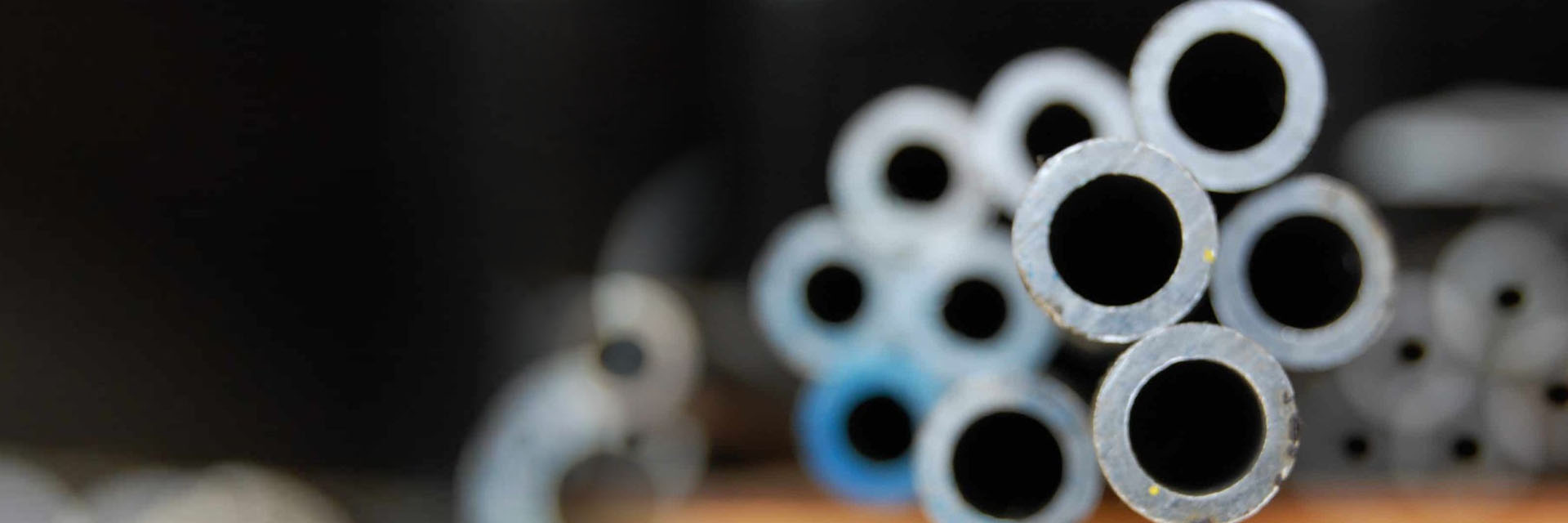
What Are the Choices Of Stainless Steel Ship Piping
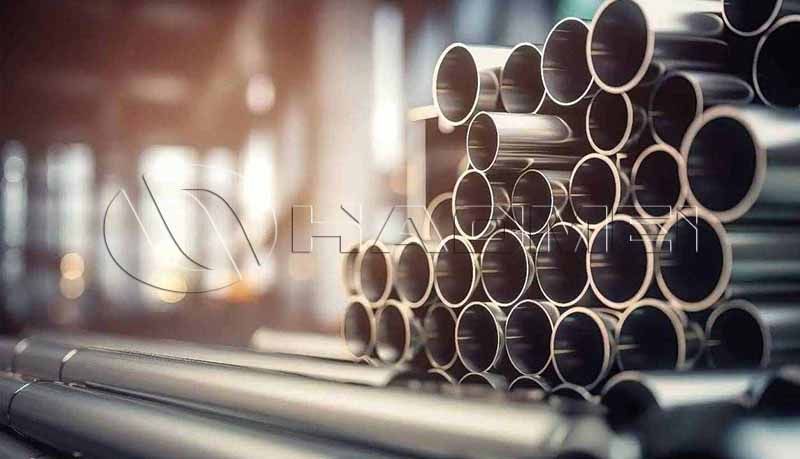
Marine piping systems serve as the core infrastructure for a ship's propulsion, water supply and drainage, hydraulic, and fire-fighting systems. Operating under harsh conditions—characterized by high salinity (salt spray), high humidity, fluctuating temperatures, and seawater exposure—these systems demand piping materials with exceptional corrosion resistance, mechanical stability, weldability, and service life. Carbon steel piping, prone to rusting and high maintenance costs, is increasingly being replaced by stainless steel piping.
I. How to Select Stainless Steel Piping
Selecting marine piping is not simply a matter of choosing high-end materials; it requires a comprehensive assessment based on four key factors: the medium being transported, the operational area, operating pressure, and budget. The primary evaluation criteria—which also distinguish the various types of stainless steel—are as follows:
1. Corrosion Resistance
Ability to withstand corrosion from seawater spray, fresh water, mild acids/alkalis, and moisture; preventing perforation, leakage, and clogging; and suitability for various areas such as decks, bilges, and engine rooms.
2. Fabrication and Weldability
Marine piping often requires custom installation, necessitating good bending, cutting, and welding properties. Materials must resist intergranular corrosion after welding and be suitable for on-site installation conditions.
3. Mechanical Properties and Stability
Sufficient toughness and strength to withstand the pitching and vibrations typical of marine environments; resistance to high temperatures and fatigue; and resistance to deformation or cracking during long-term service.
II. Mainstream Stainless Steel Piping for Marine Use
Stainless steel piping commonly used in the marine industry falls into three main categories: general-purpose austenitic stainless steel, highly corrosion-resistant austenitic stainless steel, and economical ferritic stainless steel. Different grades are suited to distinct applications, with EN 1.4301 standing out as the most versatile and widely used core grade.
1. General-Purpose Core Grade: EN 1.4301 Stainless Steel Piping
Stainless steel EN 1.4301 is a European standard austenitic stainless steel (equivalent to the American AISI 304 standard, grade X5CrNi18-10). It is the most widely used stainless steel piping material in the marine industry, perfectly suited for the majority of standard marine operating conditions and serving as the mainstream choice for water supply and drainage, fire-fighting, ventilation, and low-pressure fluid transport systems. In terms of chemical composition, EN 1.4301 stainless steel pipe contains 18%–20% chromium and 8%–10.5% nickel, with a carbon content of ≤0.07%. The chromium forms a dense, stable protective oxide film on the pipe surface, effectively isolating it from oxygen, salt spray, and freshwater corrosion, while the nickel stabilizes the austenitic microstructure, endowing the pipe with excellent overall performance.
Its key performance advantages align perfectly with the requirements of shipbuilding and vessel operation: First, it offers balanced corrosion resistance, easily handling freshwater transport, cabin ventilation, fire-fighting water supply, and exposure to deck-level salt spray, thereby effectively preventing rust and degradation during routine operations. Second, it boasts excellent processing and welding characteristics; it performs well in cold forming and deep drawing, is resistant to cracking during on-site welding, and maintains stable resistance to intergranular corrosion without complex post-weld heat treatment, significantly reducing construction and maintenance costs. Third, it exhibits stable mechanical properties, with a tensile strength of 500–700 MPa and sufficient toughness to withstand the continuous vibration and minor impacts encountered during navigation without deforming or failing.
Regarding applications, EN 1.4301 stainless steel pipe is primarily used in standard shipboard systems, such as potable freshwater lines, fire-fighting water piping, engine room ventilation ducts, low-pressure lubricating oil lines, and auxiliary fluid piping within the hull. Compared to high-end corrosion-resistant piping, it offers outstanding cost-effectiveness, making it the optimal choice for balancing performance and cost in environments that do not involve severe corrosion.
2. High-Corrosion-Resistance Upgrade: EN 1.4404 (316L) Stainless Steel Pipe
EN 1.4404 is a primary material for high-end, corrosion-resistant marine piping. Building upon the EN 1.4301 specification, it incorporates molybdenum and features an ultra-low carbon design. This results in significantly enhanced resistance to seawater corrosion, pitting, and crevice corrosion, making it suitable for harsh marine environments characterized by high salinity and strong flow erosion.
This piping is primarily used in critical shipboard applications subject to severe corrosion, such as seawater cooling systems, seawater ballast piping, bilge discharge lines, and piping for transporting media on marine chemical tankers. The downside is that material and processing costs are significantly higher than those of EN 1.4301; it is suitable only for targeted use in highly corrosive environments rather than for installation throughout the entire vessel. This stainless pipe price is also a little higher.
3. Economical alternative: 430 ferritic stainless steel pipe
Grade 430 is a ferritic stainless steel; it contains no nickel, is low in cost, and offers basic oxidation resistance. However, compared to EN 1.4301, it has inferior toughness and weldability (being prone to embrittlement after welding) and poor resistance to salt-spray corrosion. It is suitable only for low-demand applications—such as dry compartments, simple ventilation ducts (not for fluid transport), and auxiliary structural piping—and is currently being phased out in favor of EN 1.4301 for functional marine piping systems.
4. High-strength specialty option: Duplex stainless steel pipe
Duplex stainless steel combines the advantages of both austenitic and ferritic grades. It offers twice the strength of standard austenitic stainless steel and possesses exceptional resistance to seawater stress corrosion and erosion. However, due to its high cost and processing difficulty, it is reserved for specialized applications—such as high-pressure seawater systems and critical power piping—on large ocean-going vessels, cruise ships, and offshore platforms; it is rarely used on small-to-medium-sized commercial vessels.
Original source: https://www.marinesteelpipe.com/a/what-are-the-choices-of-stainless-steel-ship-piping.html
Prev: What Strength Is Required for Marine Stainless Steel Pipes
Next: What Are Marine Seamless Steel Pipe Types
Related Product
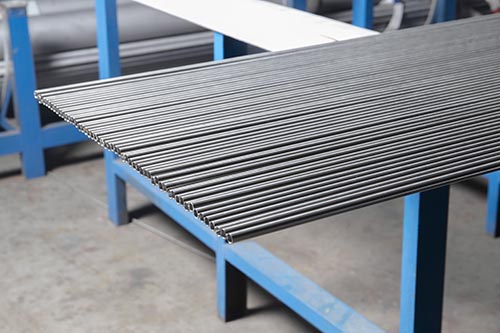
Marine piping systems serve as the core infrastructure for a ship's propulsion, water supply and drainage, hydraulic, and fire-fighting systems. Operating under harsh conditions—characterized by high salinity (salt spray), high humidity, fluctuating temperatures, and seawater exposure—these systems demand piping materials with exceptional corrosion resistance, mechanical stability, weldability, and service life. Carbon steel piping, prone to rusting and high maintenance costs, is increasingly being replaced by stainless steel piping.
I. How to Select Stainless Steel Piping
Selecting marine piping is not simply a matter of choosing high-end materials; it requires a comprehensive assessment based on four key factors: the medium being transported, the operational area, operating pressure, and budget. The primary evaluation criteria—which also distinguish the various types of stainless steel—are as follows:
1. Corrosion Resistance
Ability to withstand corrosion from seawater spray, fresh water, mild acids/alkalis, and moisture; preventing perforation, leakage, and clogging; and suitability for various areas such as decks, bilges, and engine rooms.
2. Fabrication and Weldability
Marine piping often requires custom installation, necessitating good bending, cutting, and welding properties. Materials must resist intergranular corrosion after welding and be suitable for on-site installation conditions.
3. Mechanical Properties and Stability
Sufficient toughness and strength to withstand the pitching and vibrations typical of marine environments; resistance to high temperatures and fatigue; and resistance to deformation or cracking during long-term service.
II. Mainstream Stainless Steel Piping for Marine Use
Stainless steel piping commonly used in the marine industry falls into three main categories: general-purpose austenitic stainless steel, highly corrosion-resistant austenitic stainless steel, and economical ferritic stainless steel. Different grades are suited to distinct applications, with EN 1.4301 standing out as the most versatile and widely used core grade.
1. General-Purpose Core Grade: EN 1.4301 Stainless Steel Piping
Stainless steel EN 1.4301 is a European standard austenitic stainless steel (equivalent to the American AISI 304 standard, grade X5CrNi18-10). It is the most widely used stainless steel piping material in the marine industry, perfectly suited for the majority of standard marine operating conditions and serving as the mainstream choice for water supply and drainage, fire-fighting, ventilation, and low-pressure fluid transport systems. In terms of chemical composition, EN 1.4301 stainless steel pipe contains 18%–20% chromium and 8%–10.5% nickel, with a carbon content of ≤0.07%. The chromium forms a dense, stable protective oxide film on the pipe surface, effectively isolating it from oxygen, salt spray, and freshwater corrosion, while the nickel stabilizes the austenitic microstructure, endowing the pipe with excellent overall performance.
Its key performance advantages align perfectly with the requirements of shipbuilding and vessel operation: First, it offers balanced corrosion resistance, easily handling freshwater transport, cabin ventilation, fire-fighting water supply, and exposure to deck-level salt spray, thereby effectively preventing rust and degradation during routine operations. Second, it boasts excellent processing and welding characteristics; it performs well in cold forming and deep drawing, is resistant to cracking during on-site welding, and maintains stable resistance to intergranular corrosion without complex post-weld heat treatment, significantly reducing construction and maintenance costs. Third, it exhibits stable mechanical properties, with a tensile strength of 500–700 MPa and sufficient toughness to withstand the continuous vibration and minor impacts encountered during navigation without deforming or failing.
Regarding applications, EN 1.4301 stainless steel pipe is primarily used in standard shipboard systems, such as potable freshwater lines, fire-fighting water piping, engine room ventilation ducts, low-pressure lubricating oil lines, and auxiliary fluid piping within the hull. Compared to high-end corrosion-resistant piping, it offers outstanding cost-effectiveness, making it the optimal choice for balancing performance and cost in environments that do not involve severe corrosion.
2. High-Corrosion-Resistance Upgrade: EN 1.4404 (316L) Stainless Steel Pipe
EN 1.4404 is a primary material for high-end, corrosion-resistant marine piping. Building upon the EN 1.4301 specification, it incorporates molybdenum and features an ultra-low carbon design. This results in significantly enhanced resistance to seawater corrosion, pitting, and crevice corrosion, making it suitable for harsh marine environments characterized by high salinity and strong flow erosion.
This piping is primarily used in critical shipboard applications subject to severe corrosion, such as seawater cooling systems, seawater ballast piping, bilge discharge lines, and piping for transporting media on marine chemical tankers. The downside is that material and processing costs are significantly higher than those of EN 1.4301; it is suitable only for targeted use in highly corrosive environments rather than for installation throughout the entire vessel. This stainless pipe price is also a little higher.
3. Economical alternative: 430 ferritic stainless steel pipe
Grade 430 is a ferritic stainless steel; it contains no nickel, is low in cost, and offers basic oxidation resistance. However, compared to EN 1.4301, it has inferior toughness and weldability (being prone to embrittlement after welding) and poor resistance to salt-spray corrosion. It is suitable only for low-demand applications—such as dry compartments, simple ventilation ducts (not for fluid transport), and auxiliary structural piping—and is currently being phased out in favor of EN 1.4301 for functional marine piping systems.
4. High-strength specialty option: Duplex stainless steel pipe
Duplex stainless steel combines the advantages of both austenitic and ferritic grades. It offers twice the strength of standard austenitic stainless steel and possesses exceptional resistance to seawater stress corrosion and erosion. However, due to its high cost and processing difficulty, it is reserved for specialized applications—such as high-pressure seawater systems and critical power piping—on large ocean-going vessels, cruise ships, and offshore platforms; it is rarely used on small-to-medium-sized commercial vessels.