What Is the Best Seawater Pipe Material for Ships
Seawater piping systems serve as critical infrastructure for ship propulsion cooling, fire-fighting water supply, and ballast water circulation. These systems operate in highly corrosive marine environments—characterized by high salinity, humidity, and oxygen levels—while simultaneously enduring vibrations, water pressure fluctuations, and temperature changes associated with vessel operations.
The choice of piping material directly determines the service life, operational stability, and maintenance costs of the system. Improper material selection can easily lead to failures such as corrosion, perforation, leakage, and blockages, thereby severely compromising navigational safety.
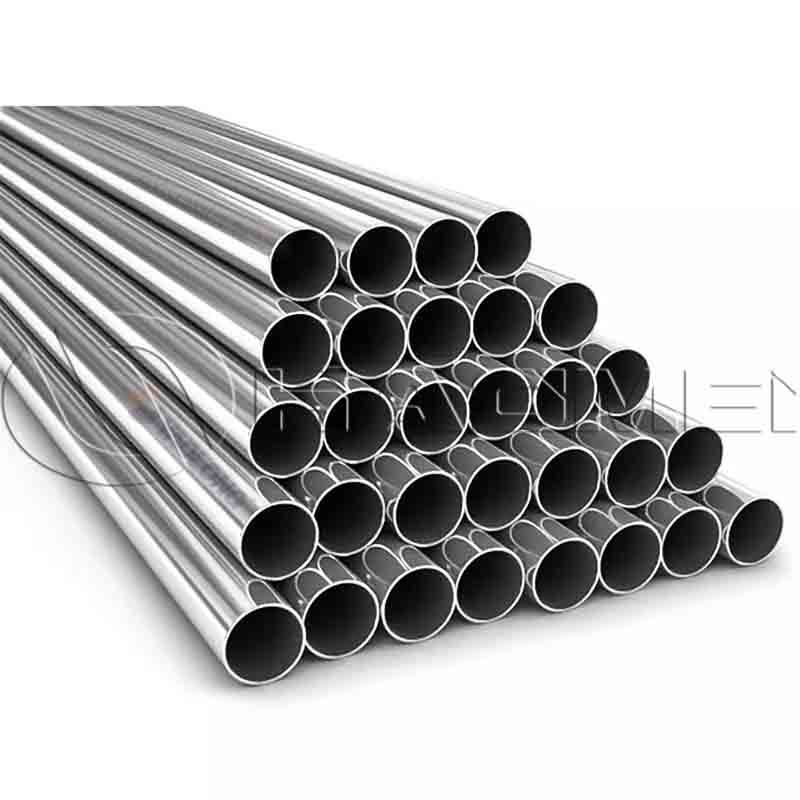
Among the various piping materials available for marine use, 316L stainless steel seamless pipe stands out as the optimal choice for seawater piping systems due to its superior overall performance, making it the preferred material for major shipyards and marine engineering projects.
I. Marine Seamless Steel Pipe
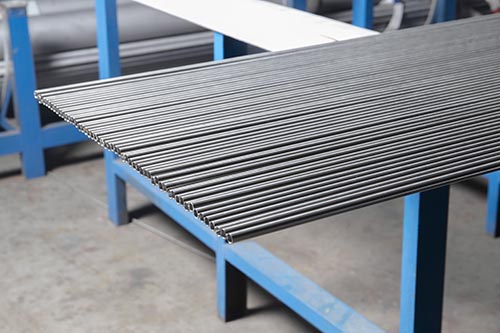
Marine seamless steel pipe is a specialized product engineered specifically for the demanding conditions of marine operations. Manufactured using integral hot-rolling and cold-drawing processes, it features a seamless structure that eliminates the common vulnerabilities of welded pipes—such as weld-seam corrosion and cracking—making it perfectly suited for the high-pressure, highly corrosive environments of seawater piping systems.
Structurally, these pipes offer uniform wall thickness and a dense microstructure. They possess pressure-bearing and impact-resistance capabilities far superior to standard welded pipes, allowing them to reliably withstand routine pressure fluctuations in seawater systems as well as the vibrations and torsional stresses encountered during navigation, thereby minimizing the risk of wall failure or leakage.
In terms of technical specifications, they are available in a wide range of sizes with precise wall-thickness tolerances, meeting the installation requirements for various systems—including ballast water, cooling water, and fire-fighting seawater. Furthermore, they fully comply with the classification standards of major bodies such as CCS and DNVGL, ensuring excellent compatibility with marine applications.
Compared to standard piping, the primary advantages of marine seamless steel pipes are their structural stability and reliability—key criteria for selecting seawater piping materials. However, as standard seamless pipes offer limited resistance to seawater corrosion, the industry has adopted 316L stainless steel seamless pipe as the preferred solution, achieving a dual upgrade in both structural integrity and corrosion resistance.
II. 316L Stainless Steel Pipe
316l stainless steel pipe is a low-carbon, molybdenum-bearing alloy specifically developed for highly corrosive environments and is recognized as a marine-grade material (designated as 022Cr17Ni12Mo2). Its unique combination of low carbon content and a specific molybdenum ratio grants the piping exceptional resistance to seawater corrosion, perfectly meeting the critical requirements of marine seawater piping systems.
Firstly, superior resistance to seawater corrosion. The key advantage of 316L stainless steel over 304 stainless steel is the addition of 2%–3% molybdenum, which specifically combats pitting and crevice corrosion caused by chloride ions in seawater, ensuring stability during prolonged immersion and in wet-dry cycling environments.
Furthermore, its extremely low carbon content prevents intergranular corrosion during welding; the weld seam matches the base material's performance, effectively solving the common issue where standard stainless steel pipes fail due to corrosion after welding. Its corrosion rate is more than 90% lower than that of ordinary carbon steel piping.
Secondly, long service life and low maintenance costs. Under standard marine operating conditions, 316L stainless steel seamless pipes offer a service life of 15–20 years, eliminating the need for frequent anti-corrosion coating, rust removal, or replacement. Compared to carbon steel piping—which requires annual rust removal and anti-corrosion treatment and complete replacement every 3–5 years—this significantly reduces labor and material costs for long-term maintenance, making it ideal for the extended operational demands of oceangoing vessels.
Thirdly, strong adaptability to diverse operating conditions. 316L stainless steel offers excellent toughness and resistance to both high and low temperatures, accommodating the -20°C to 120°C temperature fluctuations found in marine seawater systems. It also possesses outstanding fatigue resistance, maintaining its integrity without deformation or cracking under long-term exposure to water pressure surges and hull vibrations. The smooth inner wall resists scaling and the adhesion of marine microorganisms, effectively preventing pipeline blockages and ensuring the stable operation of the seawater circulation system.
III. Why is 316L marine seamless steel pipe the optimal choice?
While the market offers various material alternatives—such as 304 stainless steel pipes, standard seamless steel pipes, and duplex stainless steel pipes—316L stainless steel manufactured via the seamless process represents the optimal solution for marine seawater piping systems when balancing cost-effectiveness and practicality.
Standard 304 stainless steel pipes lack molybdenum, resulting in poor resistance to chloride ion corrosion and a susceptibility to pitting and perforation during prolonged exposure to seawater; duplex stainless steel offers superior performance but entails excessively high procurement costs, making it suitable only for specialized, highly corrosive deep-sea applications; meanwhile, standard carbon steel seamless pipes suffer from significant shortcomings regarding corrosion resistance and durability.
In contrast, 316L marine seamless steel pipes leverage seamless manufacturing technology to ensure structural integrity, sealing performance, and pressure stability, while utilizing the inherent properties of 316L stainless steel to provide long-lasting corrosion resistance.
By effectively balancing the three core requirements of performance, cost, and durability, they are suitable for a wide range of piping systems—including seawater ballast, main engine cooling, and seawater fire-fighting lines—on most civil marine vessels and engineering ships. Consequently, they currently stand as the most versatile and cost-effective material choice for marine seawater piping. Welcome to inquire naval seamless steel tube prices from us directly.
Original source: https://www.marinesteelpipe.com/a/what-is-the-best-seawater-pipe-material-for-ships.html
Prev: Super Duplex 2507 vs. Duplex 2205 Pipe
Related Product
Seawater piping systems serve as critical infrastructure for ship propulsion cooling, fire-fighting water supply, and ballast water circulation. These systems operate in highly corrosive marine environments—characterized by high salinity, humidity, and oxygen levels—while simultaneously enduring vibrations, water pressure fluctuations, and temperature changes associated with vessel operations.
The choice of piping material directly determines the service life, operational stability, and maintenance costs of the system. Improper material selection can easily lead to failures such as corrosion, perforation, leakage, and blockages, thereby severely compromising navigational safety.
Among the various piping materials available for marine use, 316L stainless steel seamless pipe stands out as the optimal choice for seawater piping systems due to its superior overall performance, making it the preferred material for major shipyards and marine engineering projects.
I. Marine Seamless Steel Pipe
Marine seamless steel pipe is a specialized product engineered specifically for the demanding conditions of marine operations. Manufactured using integral hot-rolling and cold-drawing processes, it features a seamless structure that eliminates the common vulnerabilities of welded pipes—such as weld-seam corrosion and cracking—making it perfectly suited for the high-pressure, highly corrosive environments of seawater piping systems.
Structurally, these pipes offer uniform wall thickness and a dense microstructure. They possess pressure-bearing and impact-resistance capabilities far superior to standard welded pipes, allowing them to reliably withstand routine pressure fluctuations in seawater systems as well as the vibrations and torsional stresses encountered during navigation, thereby minimizing the risk of wall failure or leakage.
In terms of technical specifications, they are available in a wide range of sizes with precise wall-thickness tolerances, meeting the installation requirements for various systems—including ballast water, cooling water, and fire-fighting seawater. Furthermore, they fully comply with the classification standards of major bodies such as CCS and DNVGL, ensuring excellent compatibility with marine applications.
Compared to standard piping, the primary advantages of marine seamless steel pipes are their structural stability and reliability—key criteria for selecting seawater piping materials. However, as standard seamless pipes offer limited resistance to seawater corrosion, the industry has adopted 316L stainless steel seamless pipe as the preferred solution, achieving a dual upgrade in both structural integrity and corrosion resistance.
II. 316L Stainless Steel Pipe
316l stainless steel pipe is a low-carbon, molybdenum-bearing alloy specifically developed for highly corrosive environments and is recognized as a marine-grade material (designated as 022Cr17Ni12Mo2). Its unique combination of low carbon content and a specific molybdenum ratio grants the piping exceptional resistance to seawater corrosion, perfectly meeting the critical requirements of marine seawater piping systems.
Firstly, superior resistance to seawater corrosion. The key advantage of 316L stainless steel over 304 stainless steel is the addition of 2%–3% molybdenum, which specifically combats pitting and crevice corrosion caused by chloride ions in seawater, ensuring stability during prolonged immersion and in wet-dry cycling environments.
Furthermore, its extremely low carbon content prevents intergranular corrosion during welding; the weld seam matches the base material's performance, effectively solving the common issue where standard stainless steel pipes fail due to corrosion after welding. Its corrosion rate is more than 90% lower than that of ordinary carbon steel piping.
Secondly, long service life and low maintenance costs. Under standard marine operating conditions, 316L stainless steel seamless pipes offer a service life of 15–20 years, eliminating the need for frequent anti-corrosion coating, rust removal, or replacement. Compared to carbon steel piping—which requires annual rust removal and anti-corrosion treatment and complete replacement every 3–5 years—this significantly reduces labor and material costs for long-term maintenance, making it ideal for the extended operational demands of oceangoing vessels.
Thirdly, strong adaptability to diverse operating conditions. 316L stainless steel offers excellent toughness and resistance to both high and low temperatures, accommodating the -20°C to 120°C temperature fluctuations found in marine seawater systems. It also possesses outstanding fatigue resistance, maintaining its integrity without deformation or cracking under long-term exposure to water pressure surges and hull vibrations. The smooth inner wall resists scaling and the adhesion of marine microorganisms, effectively preventing pipeline blockages and ensuring the stable operation of the seawater circulation system.
III. Why is 316L marine seamless steel pipe the optimal choice?
While the market offers various material alternatives—such as 304 stainless steel pipes, standard seamless steel pipes, and duplex stainless steel pipes—316L stainless steel manufactured via the seamless process represents the optimal solution for marine seawater piping systems when balancing cost-effectiveness and practicality.
Standard 304 stainless steel pipes lack molybdenum, resulting in poor resistance to chloride ion corrosion and a susceptibility to pitting and perforation during prolonged exposure to seawater; duplex stainless steel offers superior performance but entails excessively high procurement costs, making it suitable only for specialized, highly corrosive deep-sea applications; meanwhile, standard carbon steel seamless pipes suffer from significant shortcomings regarding corrosion resistance and durability.
In contrast, 316L marine seamless steel pipes leverage seamless manufacturing technology to ensure structural integrity, sealing performance, and pressure stability, while utilizing the inherent properties of 316L stainless steel to provide long-lasting corrosion resistance.
By effectively balancing the three core requirements of performance, cost, and durability, they are suitable for a wide range of piping systems—including seawater ballast, main engine cooling, and seawater fire-fighting lines—on most civil marine vessels and engineering ships. Consequently, they currently stand as the most versatile and cost-effective material choice for marine seawater piping. Welcome to inquire naval seamless steel tube prices from us directly.